






Why Your Acne Won’t Clear Up in Malaysia’s Heat — And Why You Might Be Treating the Wrong Thing
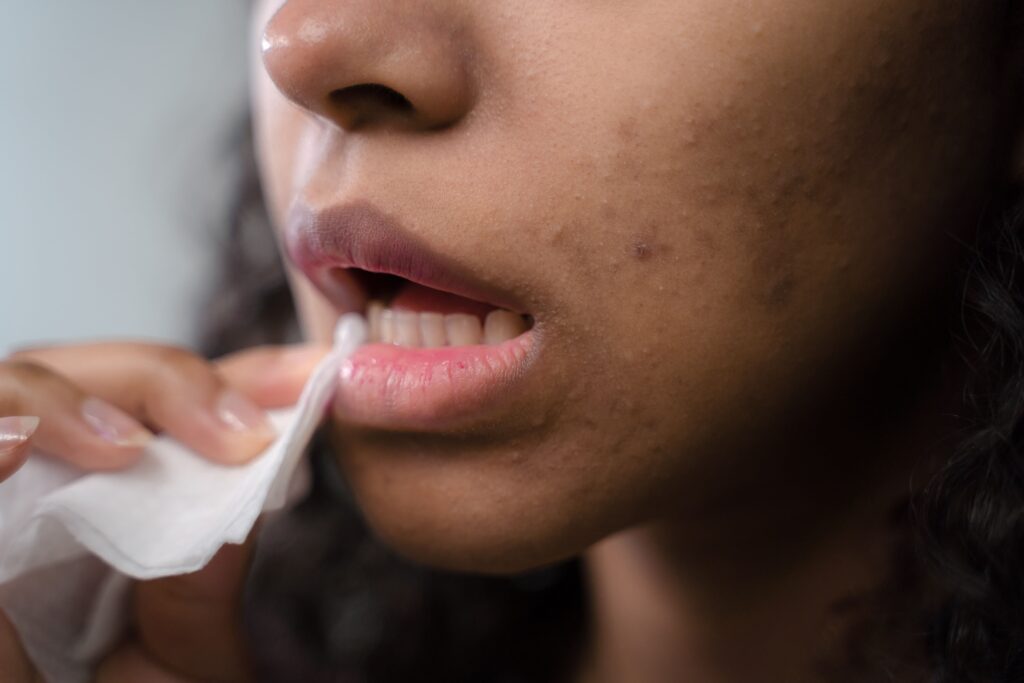
You’ve been using that BHA toner for three months. The benzoyl peroxide wash for two. Maybe you’ve even got tretinoin in the mix. And yet: those bumps on your forehead are still there, still itchy, still refusing to budge. So you up the strength, double down on actives, strip your routine bare — and somehow it gets worse.
Here’s what you might not know: you could be treating bacterial acne when you actually have fungal acne, a completely different condition that thrives in Malaysia’s humid climate and gets actively worse with the very ingredients you’re using.
Fungal acne — clinically called Malassezia folliculitis — is caused by a yeast overgrowth, not bacteria. And in tropical Malaysia, where humidity hovers between 70 and 90 percent year-round, where sweat sits on your skin for hours, and where sebum production is constant, Malassezia has perfect breeding conditions. The result: a misdiagnosis epidemic that’s costing Malaysian skincare consumers thousands in wasted products, wasted time, and genuine skin damage from over-treating with the wrong actives.
This guide cuts through the noise. We’ll show you how to tell fungal acne apart from bacterial acne, why your current routine might be feeding the problem, and what a proper fungal acne protocol actually looks like in Malaysia’s heat.
What is fungal acne, and why does Malaysia’s humidity make it worse?
The verdict: Fungal acne is a yeast overgrowth problem, not a bacterial one — and Malaysia’s tropical heat is the perfect storm for Malassezia to thrive.
Fungal acne happens when Malassezia, a yeast that lives naturally on human skin, multiplies out of control. Unlike bacterial acne, which responds to antibiotics and acne-fighting actives, fungal acne requires antifungal ingredients to clear. In Malaysia’s humid climate, where sweat and sebum create warm, moist conditions, Malassezia flourishes — especially on oily or combination skin. The frustrating part: many people treat fungal acne with standard acne protocols for months, making the problem worse because those actives don’t target yeast at all.
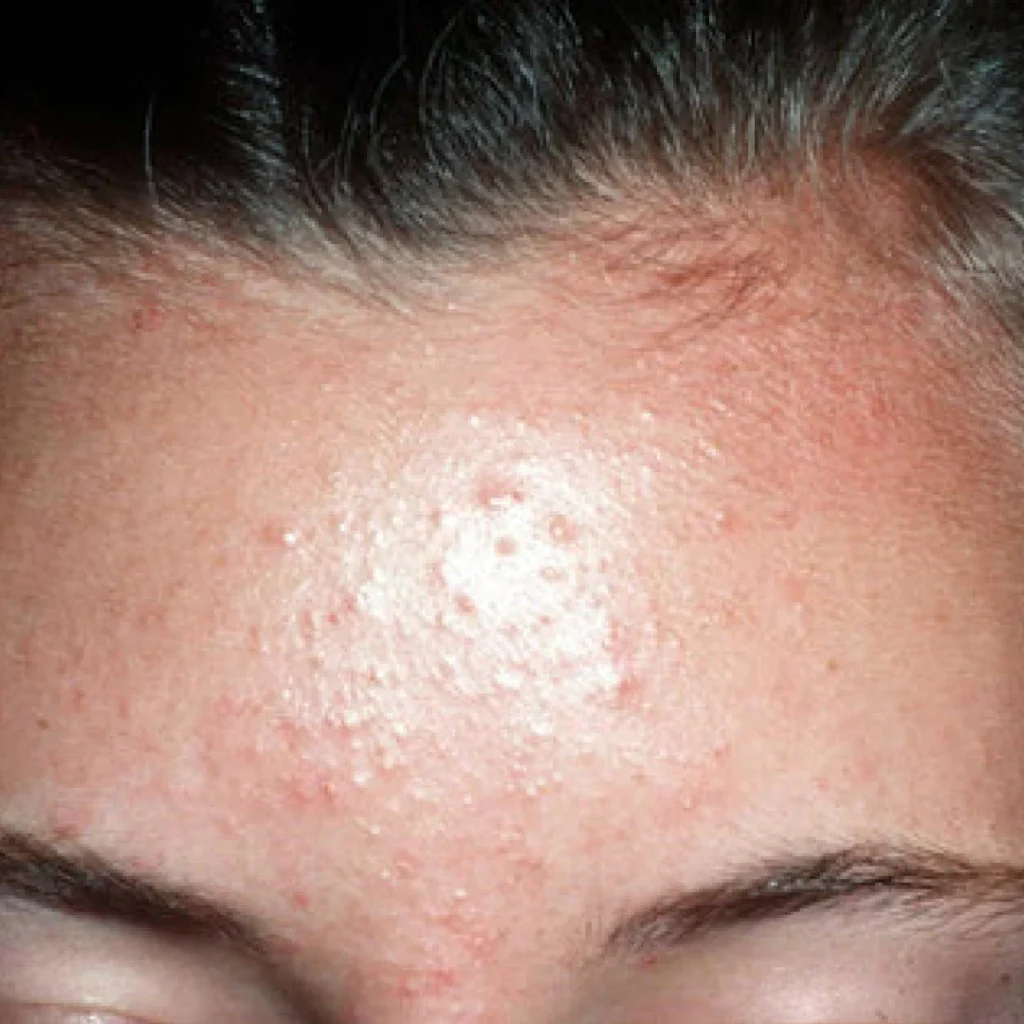
Why it thrives in tropical heat: Malassezia feeds on sebum and thrives in warm, humid environments. Malaysia’s humidity — paired with daily heat, sweat, and the challenge of keeping skin dry — is basically a five-star hotel for yeast. Add in common skincare mistakes (heavy occlusive moisturisers, certain oils, fatty acid esters) and the yeast population explodes.
The real kicker: Many people in Malaysia go undiagnosed for months or even years. They buy stronger acne treatments, think they have “resistant” acne, and end up with compromised skin barriers and post-inflammatory hyperpigmentation — a serious concern for darker skin tones — from over-treating a condition that isn’t bacterial at all.
How do you tell fungal acne apart from bacterial acne?
The verdict: Fungal acne looks uniform and feels itchy; bacterial acne varies and usually doesn’t itch.
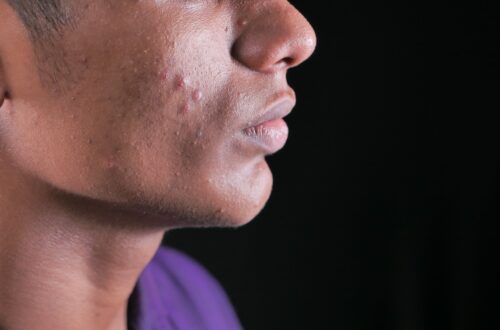
Fungal acne and bacterial acne have distinctly different patterns, and learning to spot the difference is the first step to fixing the problem. Fungal acne appears as small, uniform bumps — often on the forehead, upper back, or chest — that feel itchy or slightly tender but don’t have the large cystic lesions or blackheads common in hormonal breakouts. Think of it as a uniform “sandpaper” texture that often appears after a heavy workout or a particularly sweaty day in PJ.
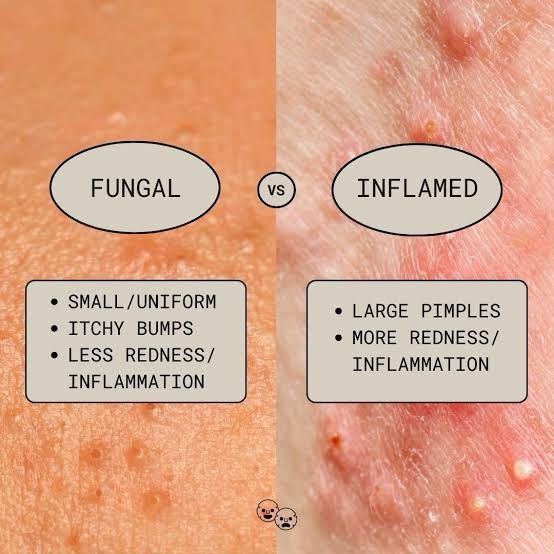
The itch factor: This is the biggest giveaway. If your “acne” gets intensely itchy when you sweat or when it’s particularly humid outside, you’re likely dealing with yeast. Bacterial acne can be painful or tender, but it rarely demands to be scratched.
Uniformity vs. Variety: Bacterial acne is a mixed bag—you’ll have a whitehead here, a blackhead there, and maybe a deep cyst on your chin. Fungal acne is monomorphic. The bumps are almost all the same size and shape, usually clustered in a specific area like the hairline or forehead.
The fungal acne protocol: How to clear it in Malaysia’s heat
The verdict: You need to “starve” the yeast by cutting out trigger oils and introducing targeted antifungal treatments like ketoconazole.
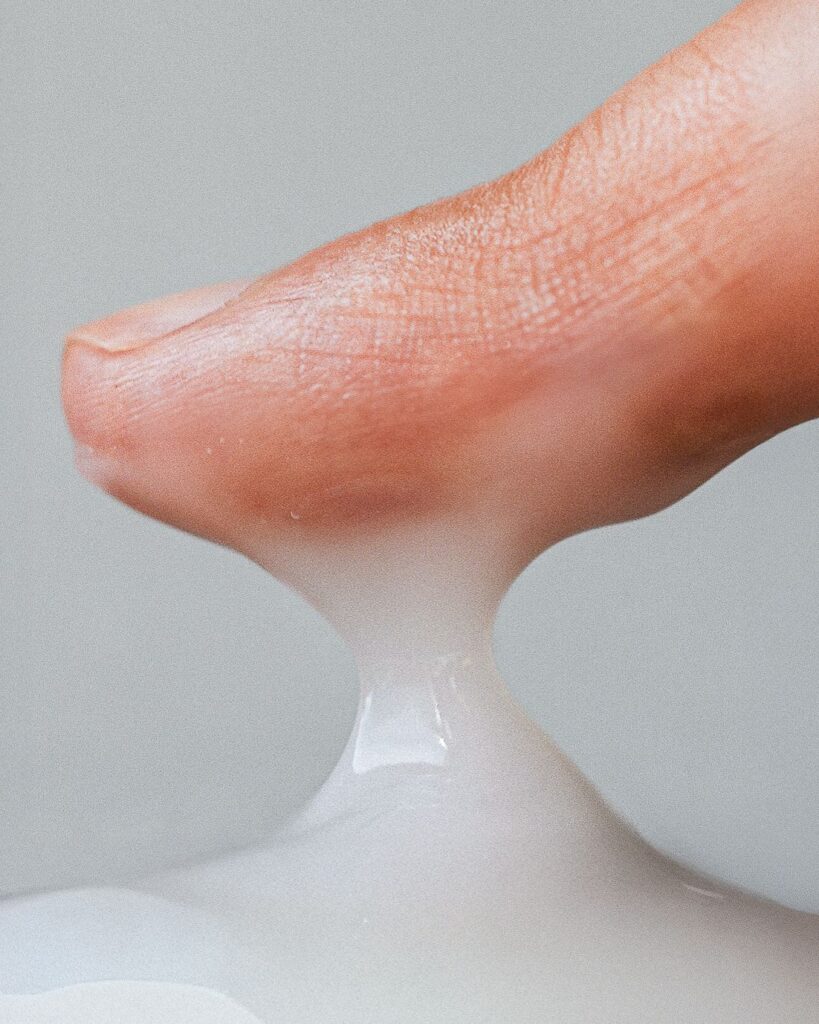
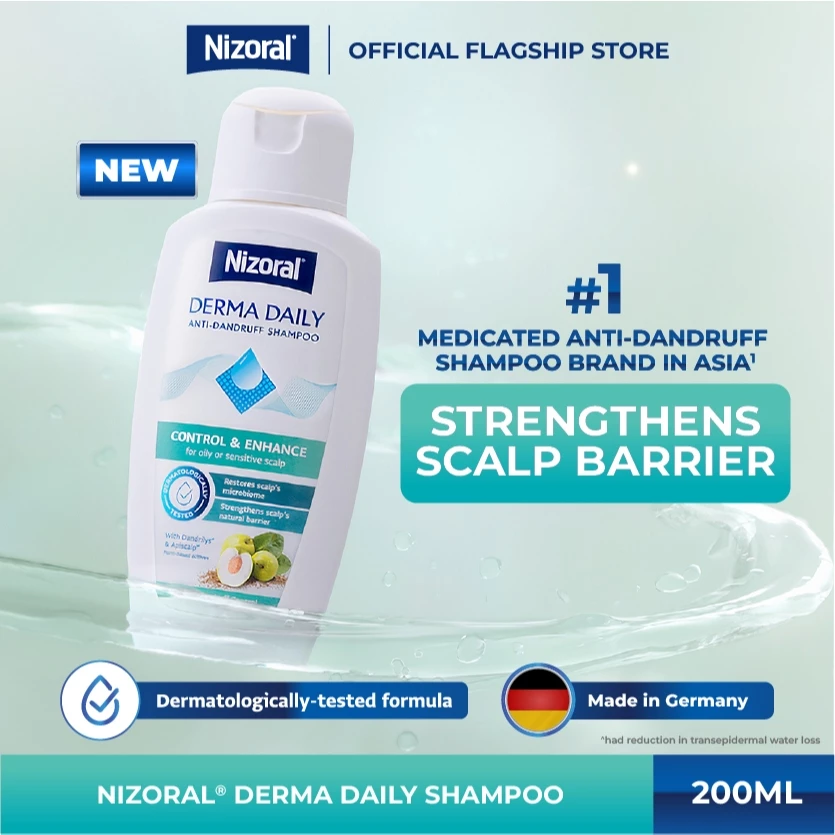
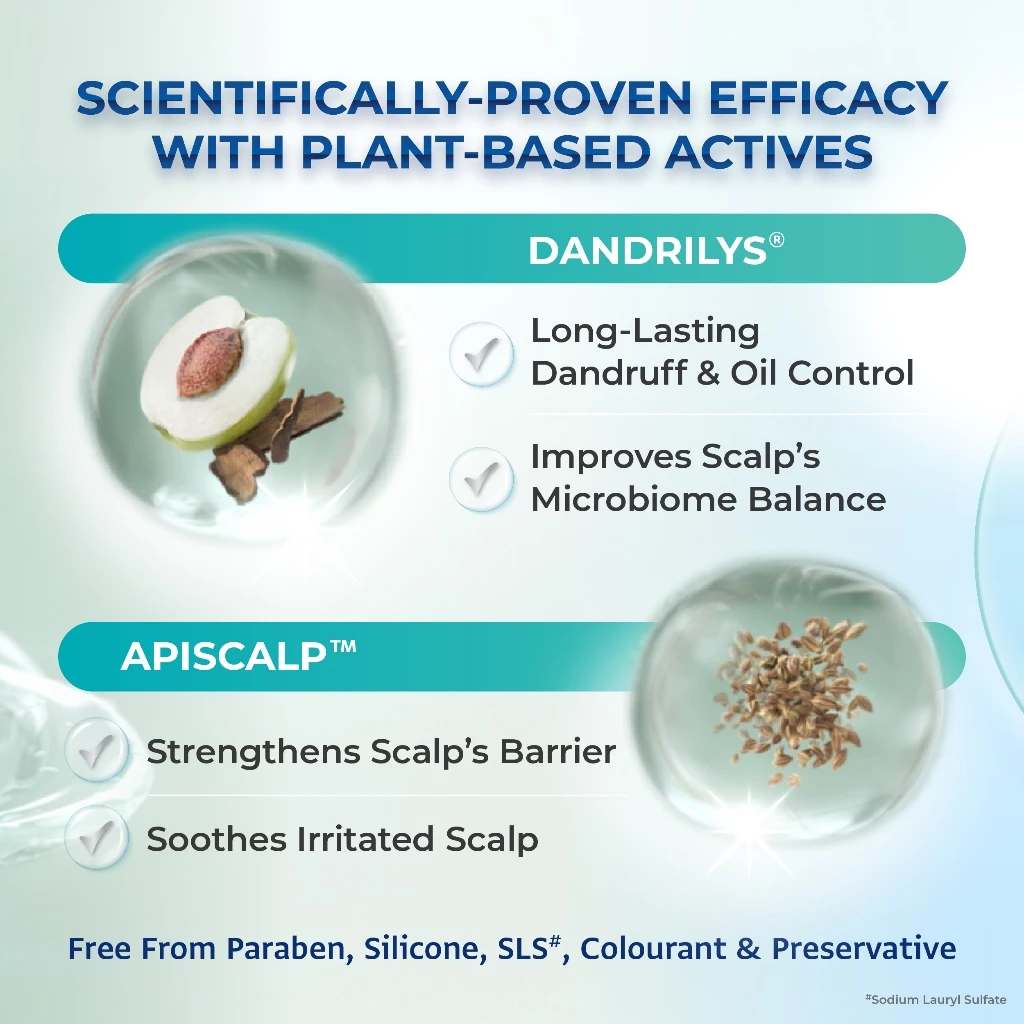
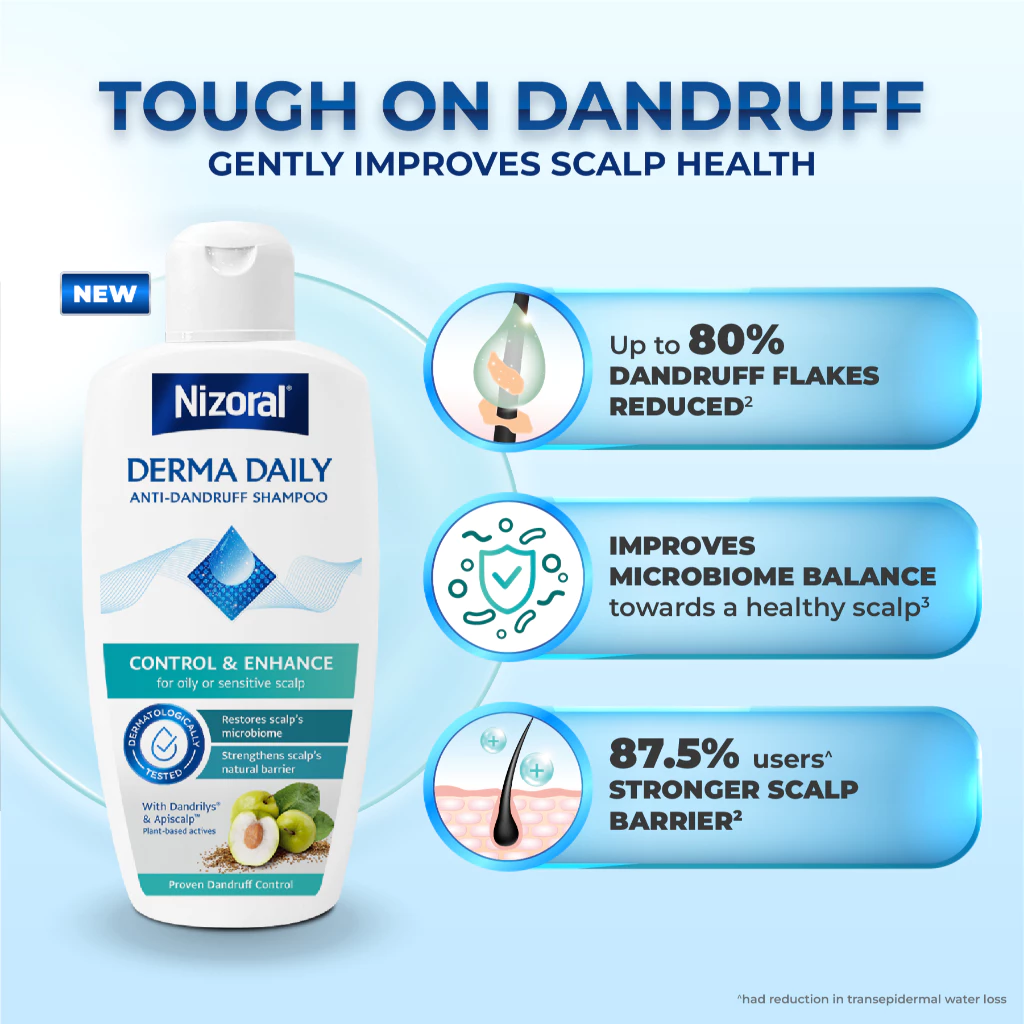
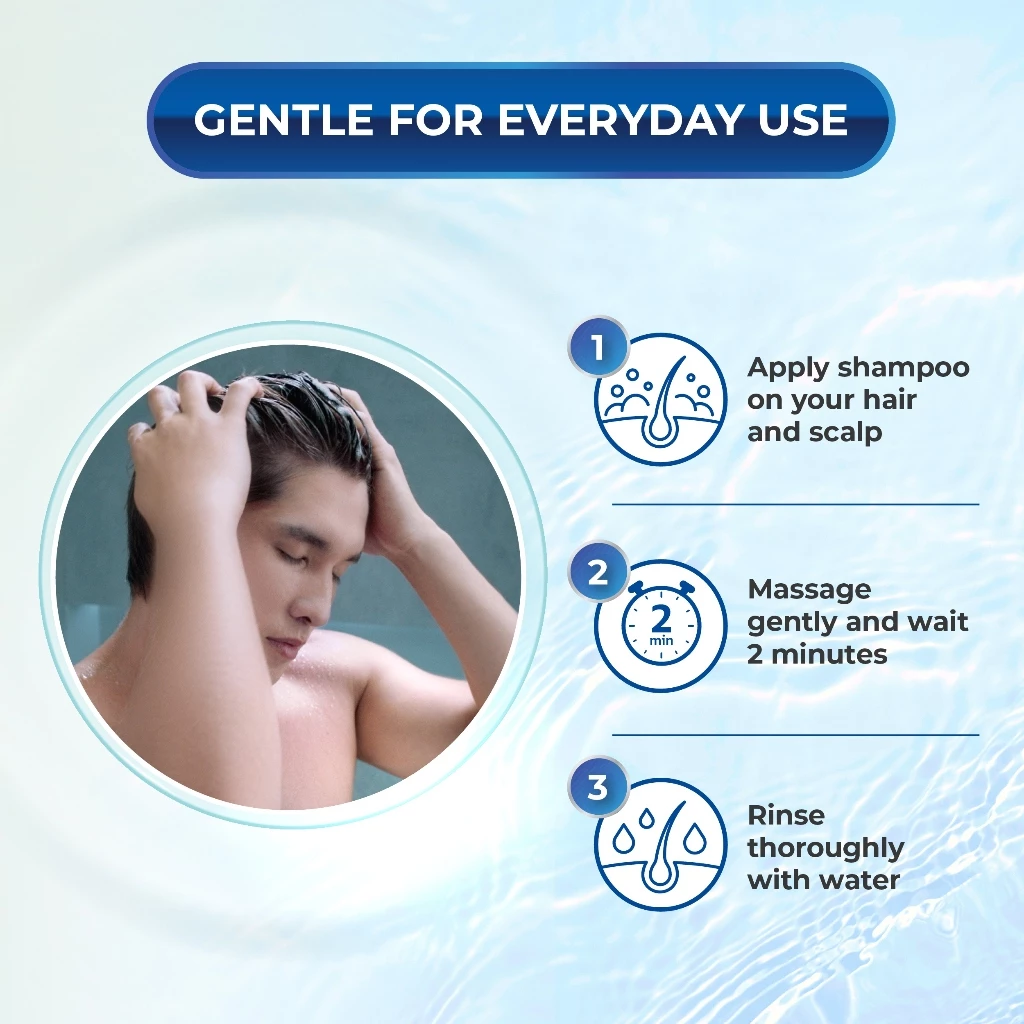
The anti-dandruff shampoo trick: It sounds like a DIY disaster, but using an anti-dandruff shampoo (like Nizoral) as a face wash is a clinically backed move. Apply it to the affected area, let it sit for 3 to 5 minutes so the ketoconazole can work, and rinse. Doing this 2-3 times a week can clear bumps faster than any expensive boutique serum.
Check your labels: Avoid products containing polysorbates, esters (anything ending in -ate like Isopropyl Palmitate), and most natural oils like coconut or olive. These are essentially fuel for Malassezia. Stick to ingredients like propolis, salicylic acid (in moderation), and squalane oil (the only yeast-safe oil) to keep your barrier intact without triggering a flare-up.
Where to Shop the Trend
The verdict: Finding a fungal acne treatment in Malaysia means looking for oil-free, gel-based formulas that can survive a humid commute without clogging pores.
Because the Malaysian market is flooded with heavy moisturisers designed for temperate climates, you have to be discerning. Your goal is “Malassezia-safe” hydration. Look for watery textures that sink in immediately and don’t leave a greasy film for the humidity to latch onto.
1. Nizoral Anti-Dandruff Shampoo
The absolute gold standard for an antifungal wash that you can find at any Watsons or Guardian.
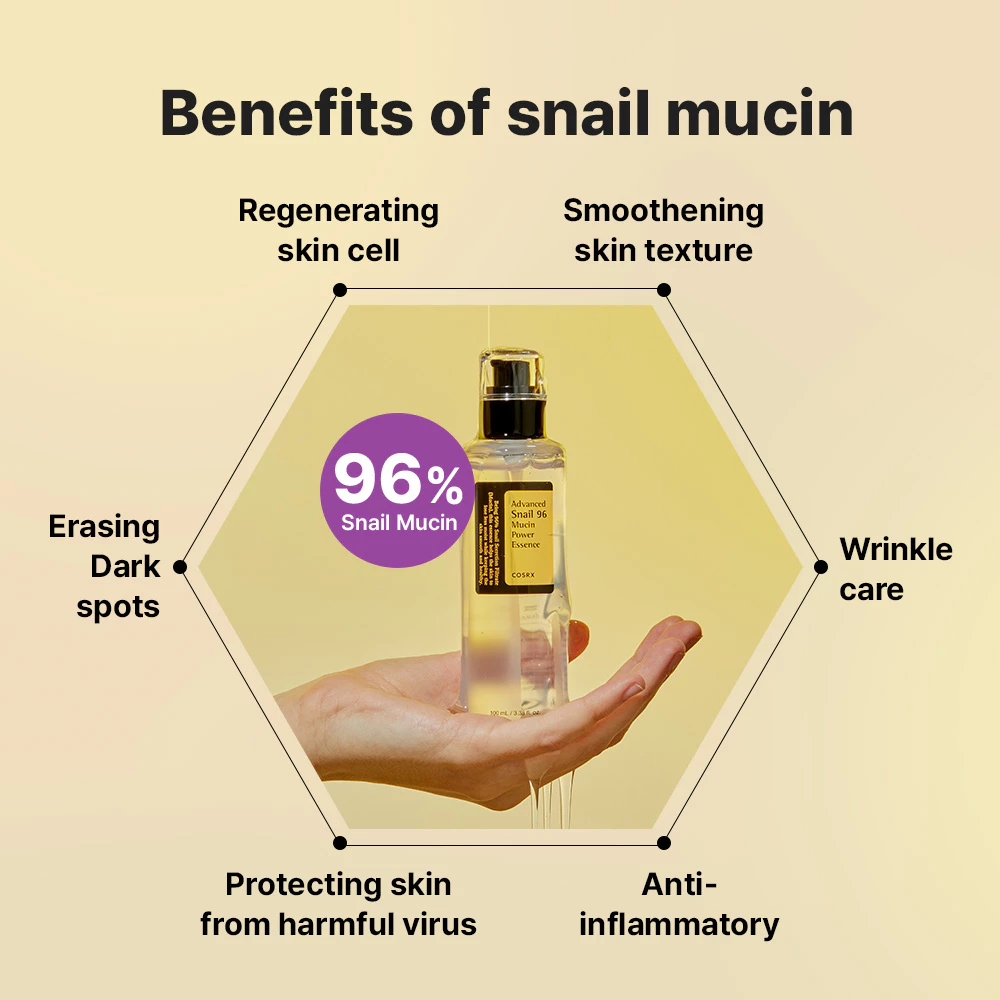
- Cosrx Advanced Snail 96 Mucin Power Essence: A cult-favourite for a reason—it’s fungal acne safe, deeply hydrating, and won’t feel heavy in KL heat.
[AFFILIATE LINK: Advanced Snail 96 Mucin Power Essence by Cosrx] — The Shopee-favourite for glass skin that doesn’t feed the yeast →
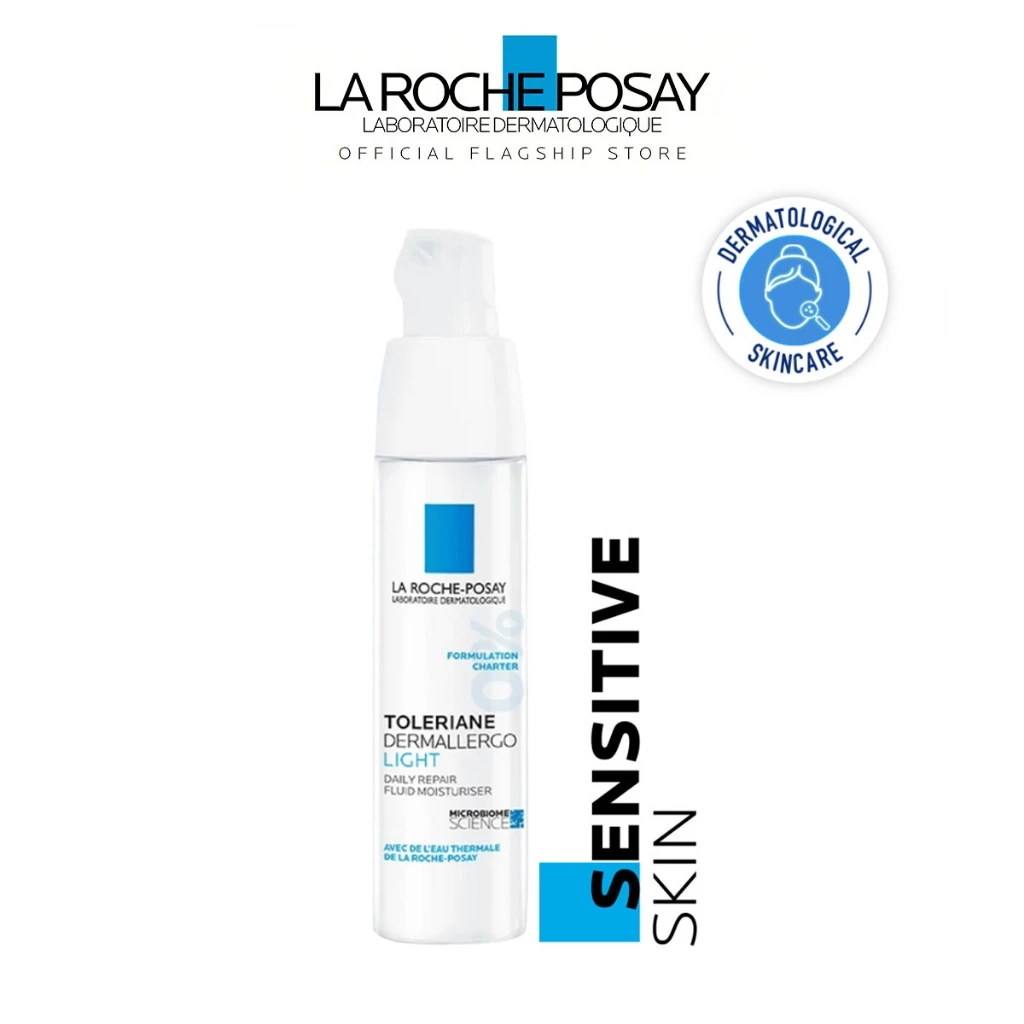
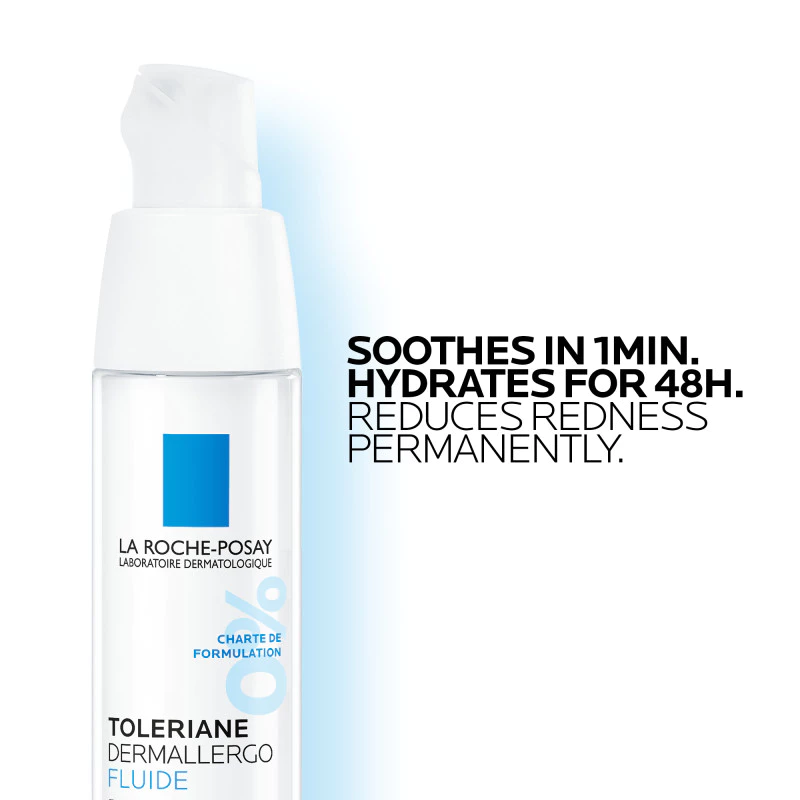
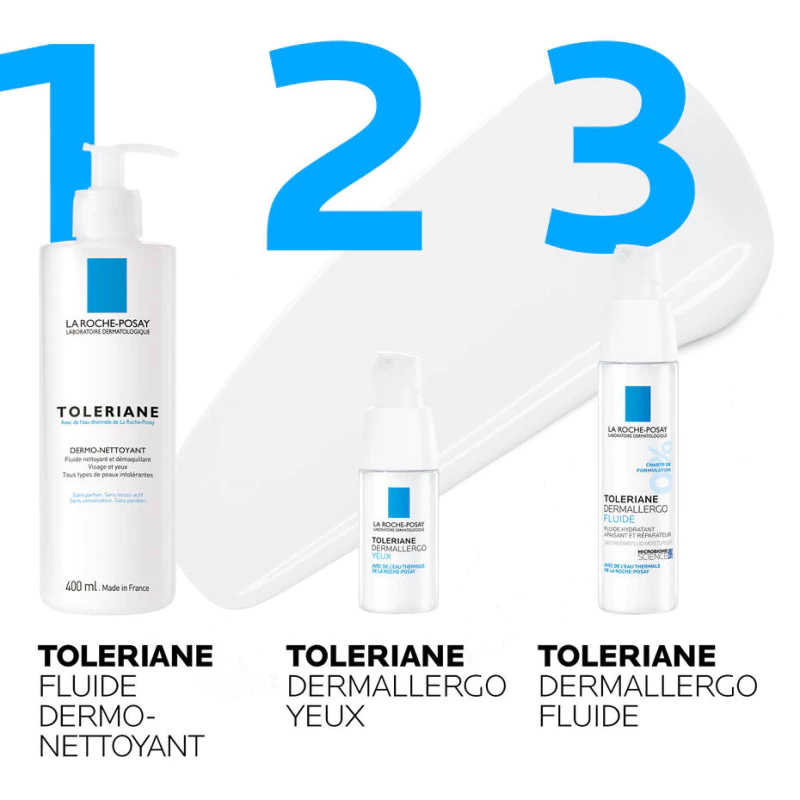
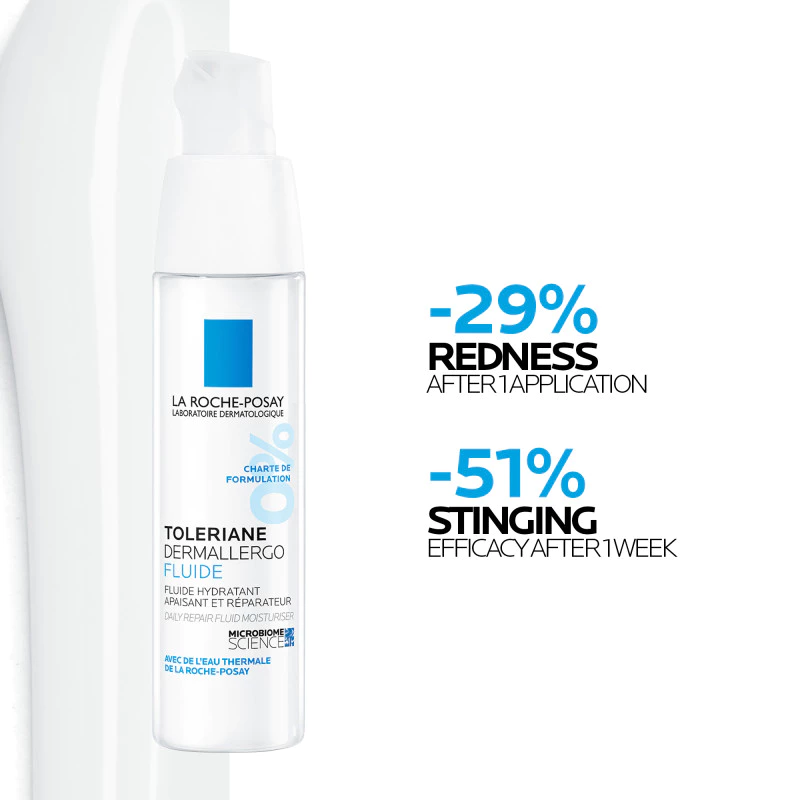
- La Roche-Posay Toleriane Sensitive Fluide: A prestige, minimalist moisturiser that is completely free of esters and oils, making it a safe bet for sensitive, reactive skin.
[AFFILIATE LINK: Toleriane Sensitive Fluide by La Roche-Posay] — Invest in this ultra-lightweight fluid for zero-risk hydration →
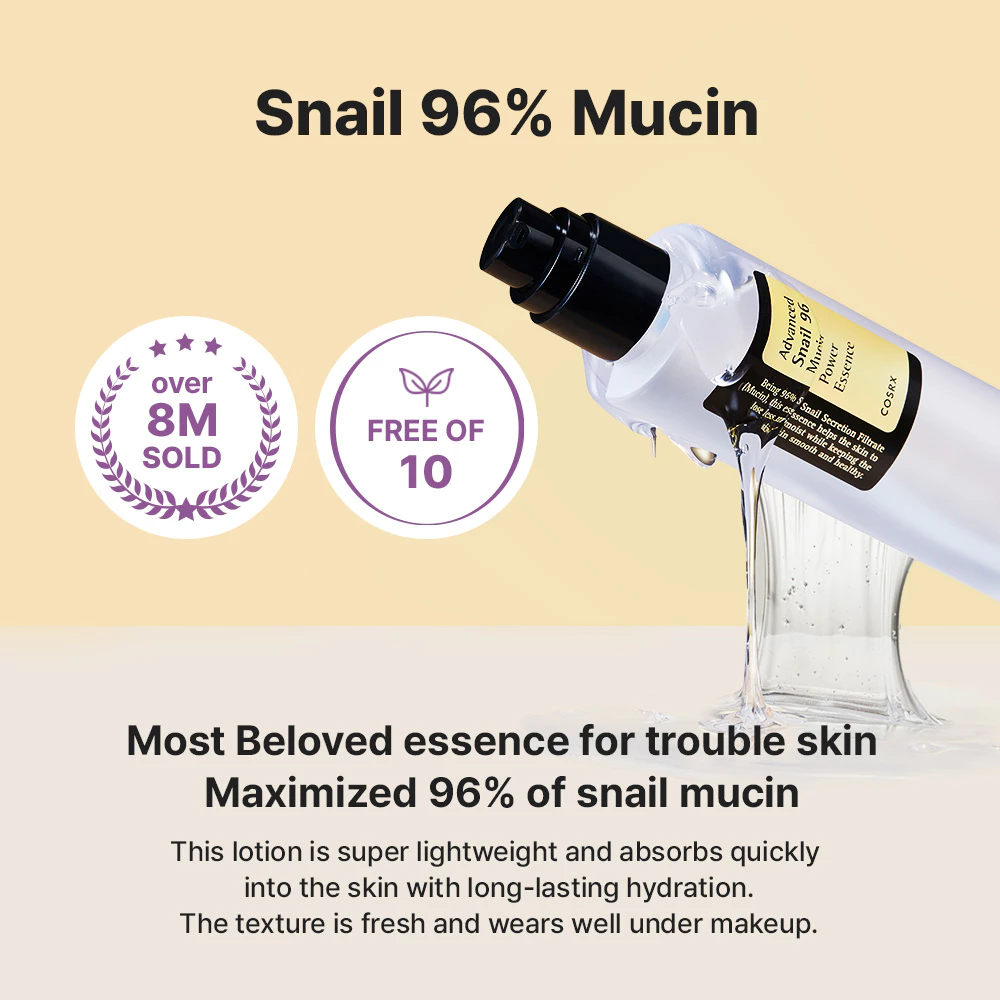
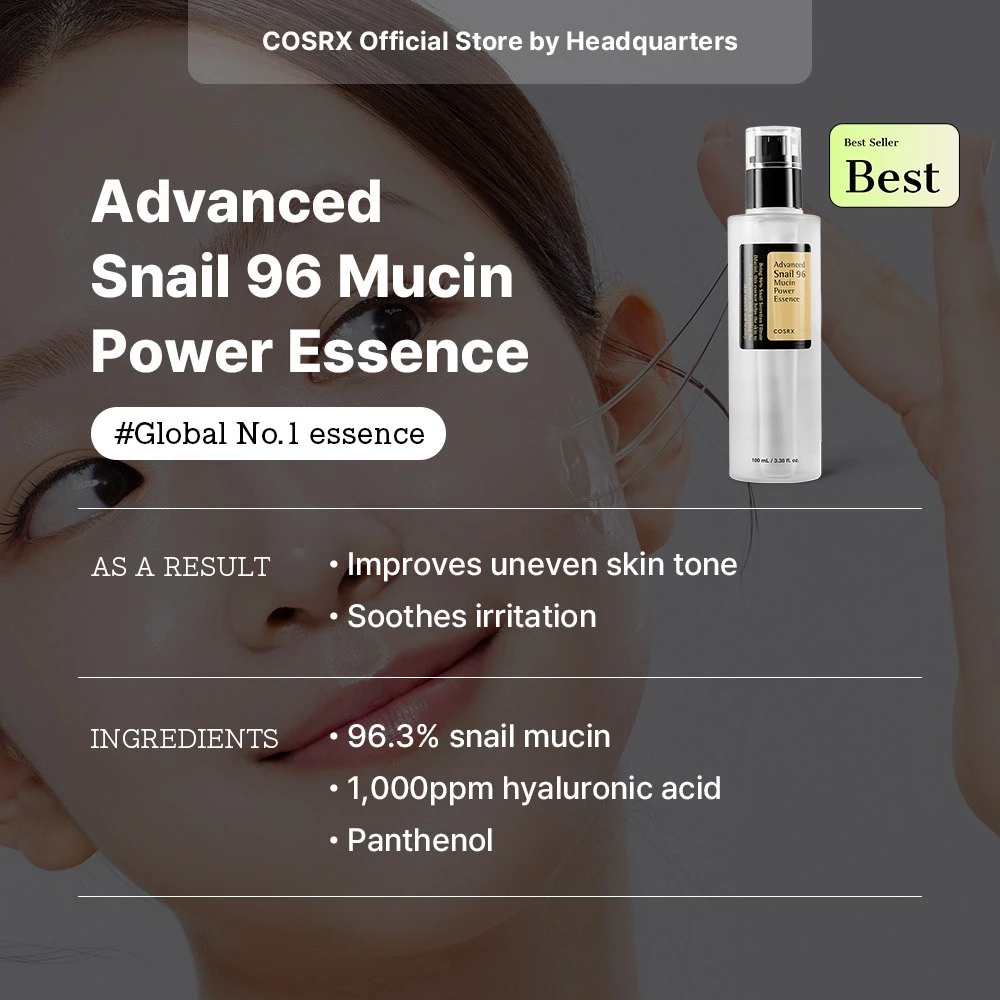
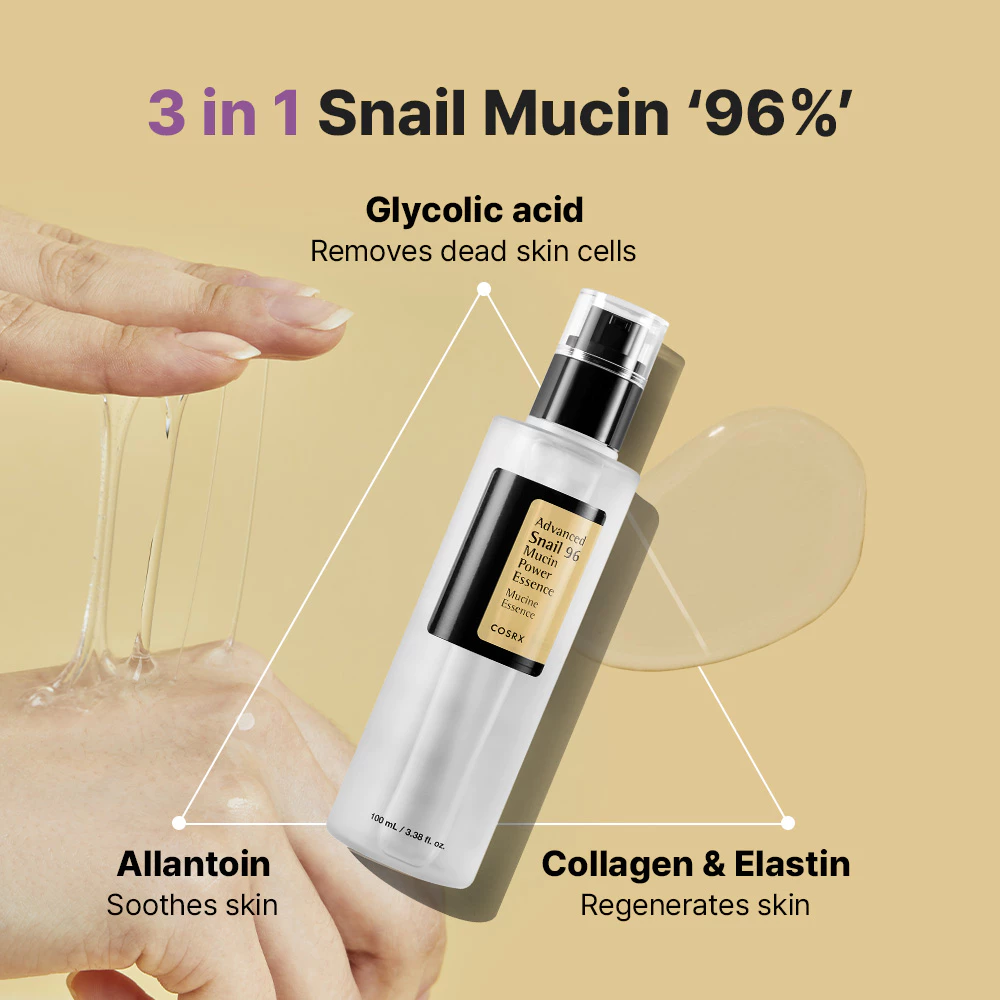
2. Cosrx Advanced Snail 96 Mucin Power Essence
A cult-favourite for a reason—it’s fungal acne safe, deeply hydrating, and won’t feel heavy in KL heat.
3. La Roche-Posay Toleriane Sensitive Fluide
A prestige, minimalist moisturiser that is completely free of esters and oils, making it a safe bet for sensitive, reactive skin.
Conclusion
The verdict: Understanding the difference between yeast and bacteria is the only way to stop the cycle of “resistant” acne in the tropics.
Dealing with stubborn bumps in Malaysia’s 90% humidity is frustrating, but it isn’t a life sentence. Once you stop treating your skin for a problem it doesn’t have and start addressing the yeast overgrowth caused by our climate, the results are usually rapid. Clearer skin in the tropics isn’t about using more products—it’s about using the right ones that don’t fight against the environment you live in.
The future of Malaysian skincare is moving away from generic global routines and toward climate-specific solutions that respect our heat, our humidity, and the unique biology of our skin.