







Why Malaysians Can’t Sleep (And What Science Says Fix It)
You’re lying awake at 2 a.m. in your KL apartment, the air-con running, and you’re still too warm. Your phone glows beside you. Your mind won’t stop. By 6 a.m., when you have to be up, you’ve had maybe four broken hours — and this isn’t a one-off. This is your Tuesday. Your Thursday. Your life right now.
Sleep deprivation in Malaysia isn’t a personal failing or a sign you’re not trying hard enough. It’s systemic. Our tropical climate, our always-on digital culture, our stress levels, our work schedules — they’re all conspiring against the eight-hour reset your body actually needs. And the ripple is real: poor sleep doesn’t just make you tired. It tanks your skin (hello, accelerated cortisol and impaired collagen repair), tanks your immunity, and tanks your ability to think straight.
But here’s what’s shifted: Malaysia’s wellness conversation in 2026 isn’t about quick fixes anymore — it’s about sleep optimization. Not just “get more sleep.” How to actually sleep better, in a tropical country, with real science backing it up. This is what that means.
Why is achieving sleep wellness in Malaysia particularly challenging due to our climate?
The verdict: Malaysia’s heat and humidity make it physiologically harder for your body to drop its core temperature — the single most important trigger for falling asleep and staying asleep.
Sleep happens when your body’s core temperature drops by about 2–3 degrees Celsius. In temperate climates, this is almost automatic as evening falls and outdoor temperatures cool. In Malaysia, where nighttime temperatures hover around 24–26°C year-round and humidity sits at 80%+, your body struggles to lose heat efficiently. The result: you stay in a state of light alertness longer, fall into shallower sleep cycles, and wake more easily from the slightest disturbance — a neighbour’s music, your partner moving, the pre-dawn humidity spike. This isn’t laziness. It’s biology fighting your bedroom.
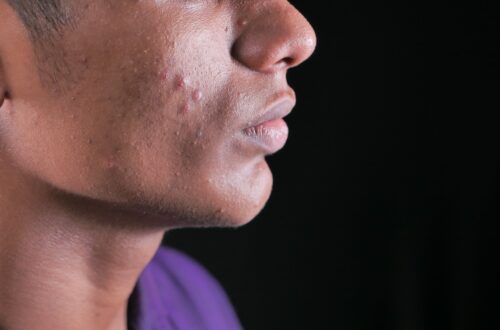
Why it matters for your skin: When sleep is fragmented, cortisol (your stress hormone) stays elevated through the night. Elevated cortisol impairs your skin barrier, slows collagen synthesis, and accelerates transepidermal water loss (TEWL) — meaning you wake up dehydrated, inflamed, and more prone to pigmentation and breakouts.
Add tropical sun exposure during the day, and you’re asking your skin to repair itself at night on a severely shortened, poor-quality sleep window. It can’t. The science is clear: better sleep = visible skin recovery. Worse sleep accelerates visible ageing and inflammation, even in your 20s and 30s.
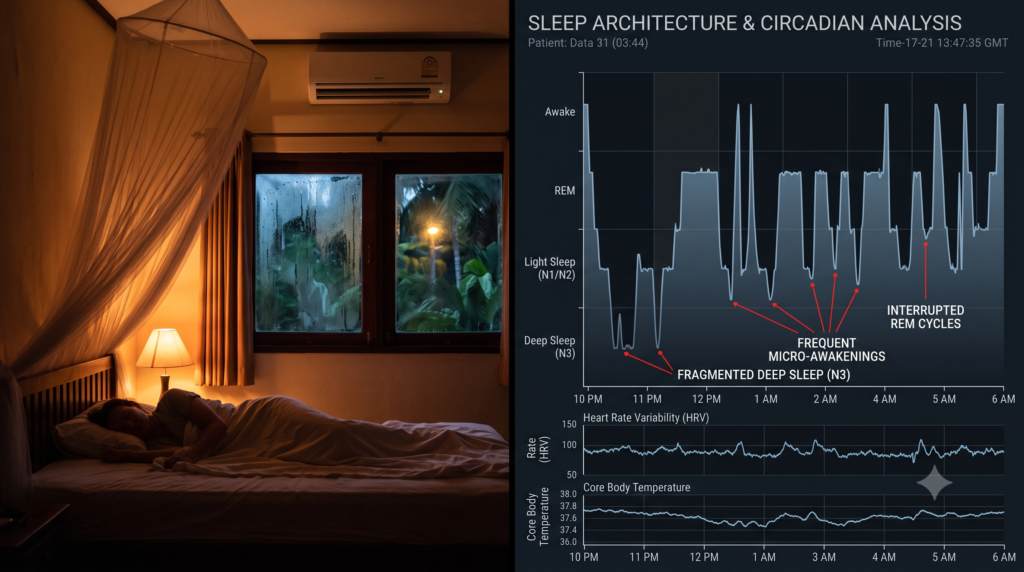
What’s the actual difference between tropical humidity and temperate sleep science?
The answer: Most global sleep research is conducted in temperate climates where nighttime temperatures naturally drop 10–15°C from daytime peaks. Malaysia’s minimal temperature variance means your body never gets the external “cool down” signal it evolved to recognize. Studies on heat and sleep show that even a 1°C rise in ambient temperature can fragment REM sleep and reduce deep-sleep duration by 10–15%. In Malaysia’s case, sustained humidity compounds this by preventing effective sweat evaporation — your body’s main cooling mechanism. You sweat but don’t cool, leading to prolonged thermal discomfort and micro-arousals throughout the night.
How can you optimize your circadian rhythm while living in the Klang Valley?
The verdict: To improve sleep quality in Malaysia, you must aggressively manage light exposure and leverage “cool-down” rituals that signal your brain to release melatonin despite the outdoor heat.
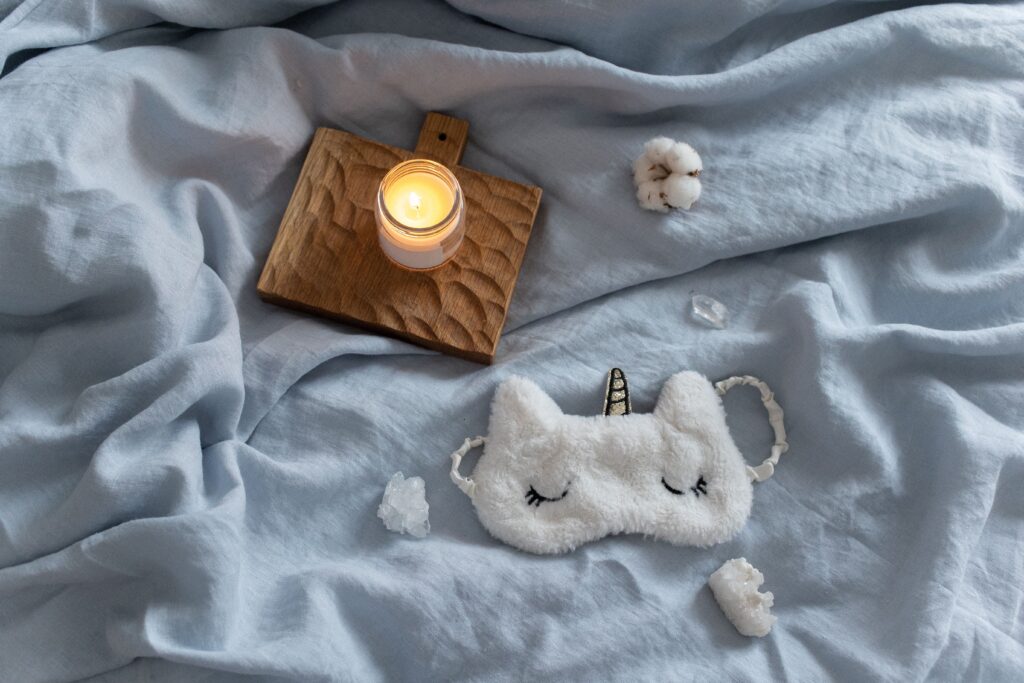
Living in high-density areas like PJ or KL means you are constantly bombarded by blue light — from your late-night Shopee scrolling to the streetlights leaking through your curtains. The fix: stop all blue light exposure 60 minutes before bed. Switch to amber lighting in your bedroom and use a weighted silk eye mask to create total darkness. This triggers the pineal gland to produce melatonin, even if the air-con hasn’t fully cooled the room yet.
Why it works: A consistent sleep hygiene Malaysia routine bypasses the “always-on” city noise. Best for: corporate warriors and digital natives whose brains are still buzzing at midnight. The catch: it requires discipline to put the phone in another room, but the payoff in mental clarity the next morning is immediate and measurable.
Where to shop the sleep wellness Malaysia 2026 trend
The verdict: Effective sleep optimization in 2026 focuses on high-tech cooling fabrics and mineral-based topical recovery to force the body into a rest state.

Pure Natural Magnesium Oil for Feet, Body, Sleep and Anxiety
Magnesium is a science-backed muscle relaxant. Applying it topically before bed bypasses the digestive system and signals your nervous system to downshift instantly.
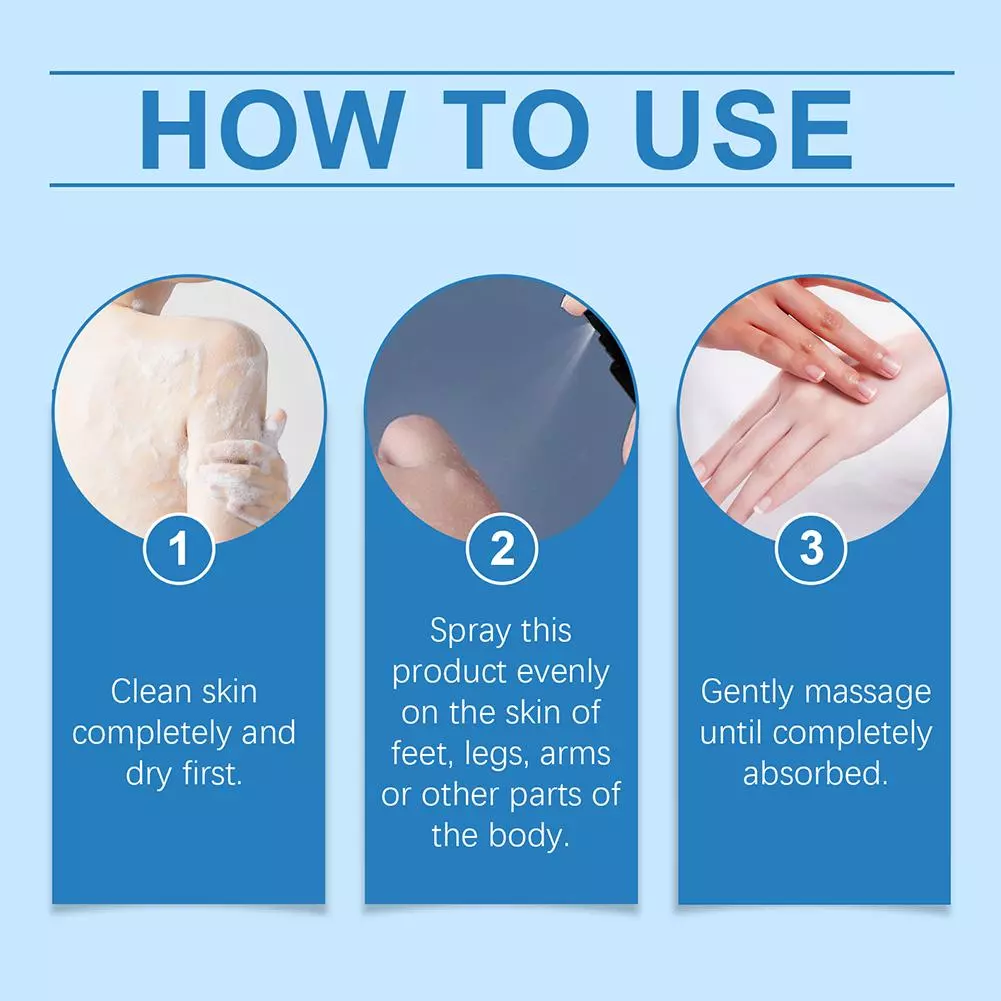
Spritz this on your calves and shoulders to melt away the day’s stress → Natural Magnesium Oil for Feet, Body, Sleep, and Anxiety for Both Women and Men


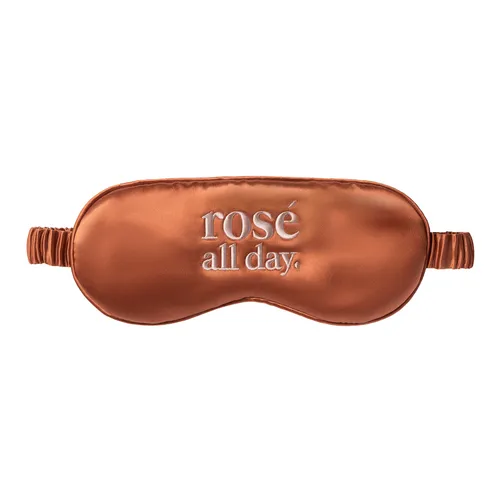
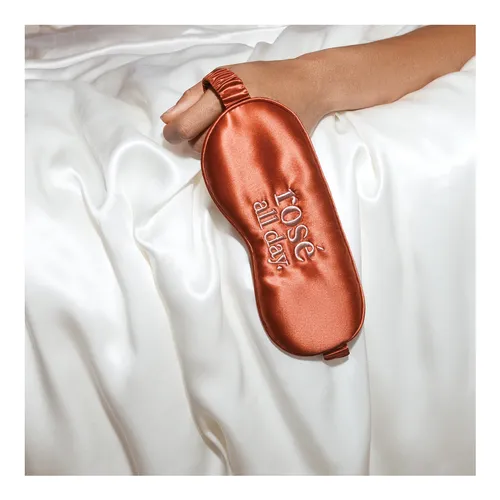
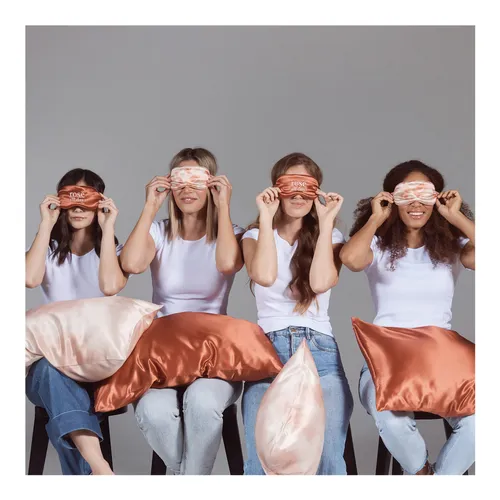
Pure Silk Sleep Mask by Slip
If you live in a condo with unshielded hallway lights or bright city glare, total blackout is non-negotiable. Silk also prevents the friction that causes sleep creases and breakouts.
Protect your skin barrier and block out the KL skyline for deeper REM → Pure Silk Sleep Mask by Slip
Rhymba Hills® Reelax Tea
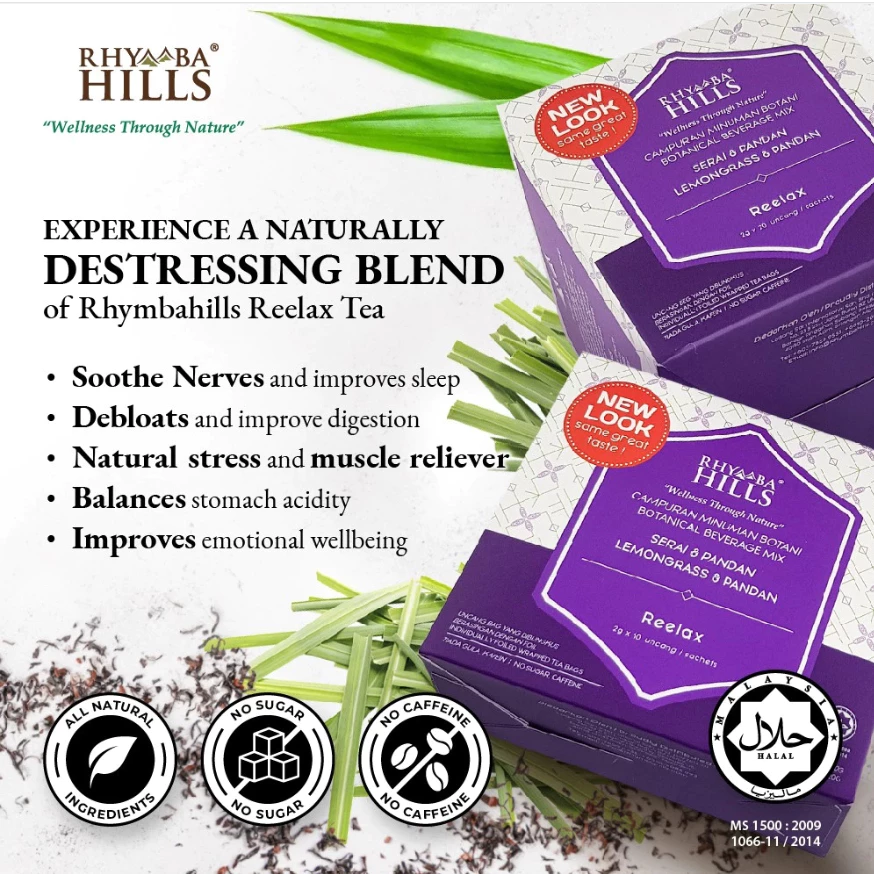
This blend is excellent for those who find lemon grass tea on its own too strong. Thus, when lemon grass and pandanus are combined and made as tea, they release a very aromatic smell which can freshen up your entire kitchen. This aromatic and soothing tea will help you to relax, after a long day work.
Support local while sipping your way into a cooler, calmer headspace → Rhymba Hills® Reelax Tea 20 sachets – Better Sleep Quality



Conclusion
The verdict: Sleep wellness in Malaysia is no longer a “nice-to-have” luxury; it is the essential bio-hack for anyone looking to maintain their skin health and cognitive edge in an increasingly demanding climate.
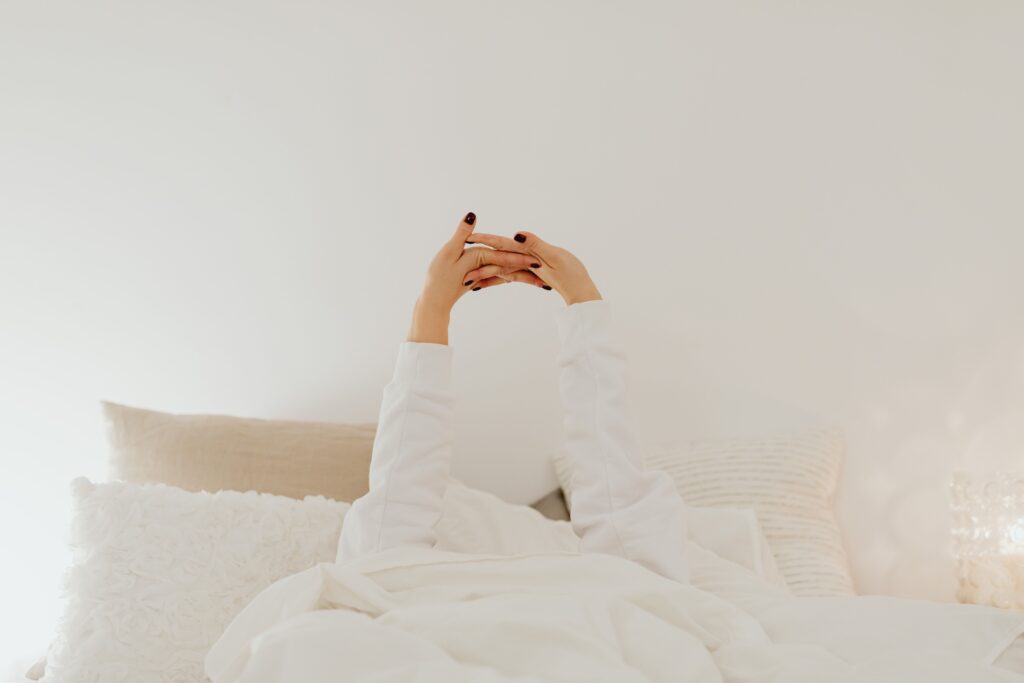
As we navigate 2026, the shift from “grind culture” to “recovery culture” is the most significant change in the Malaysian wellness landscape. Understanding that our biology needs help to fight the tropical heat and digital noise is the first step. The future of beauty isn’t in a jar — it’s in the quality of your deep sleep cycles. Invest in your rest like your skin and sanity depend on it, because in this climate, they absolutely do.