K-drama interior design Malaysia represents a sophisticated shift in urban living, prioritizing soft minimalism, functional warmth, and “comfort core” aesthetics that transform high-rise condominiums into serene, cinematic retreats reflecting East Asian luxury standards.
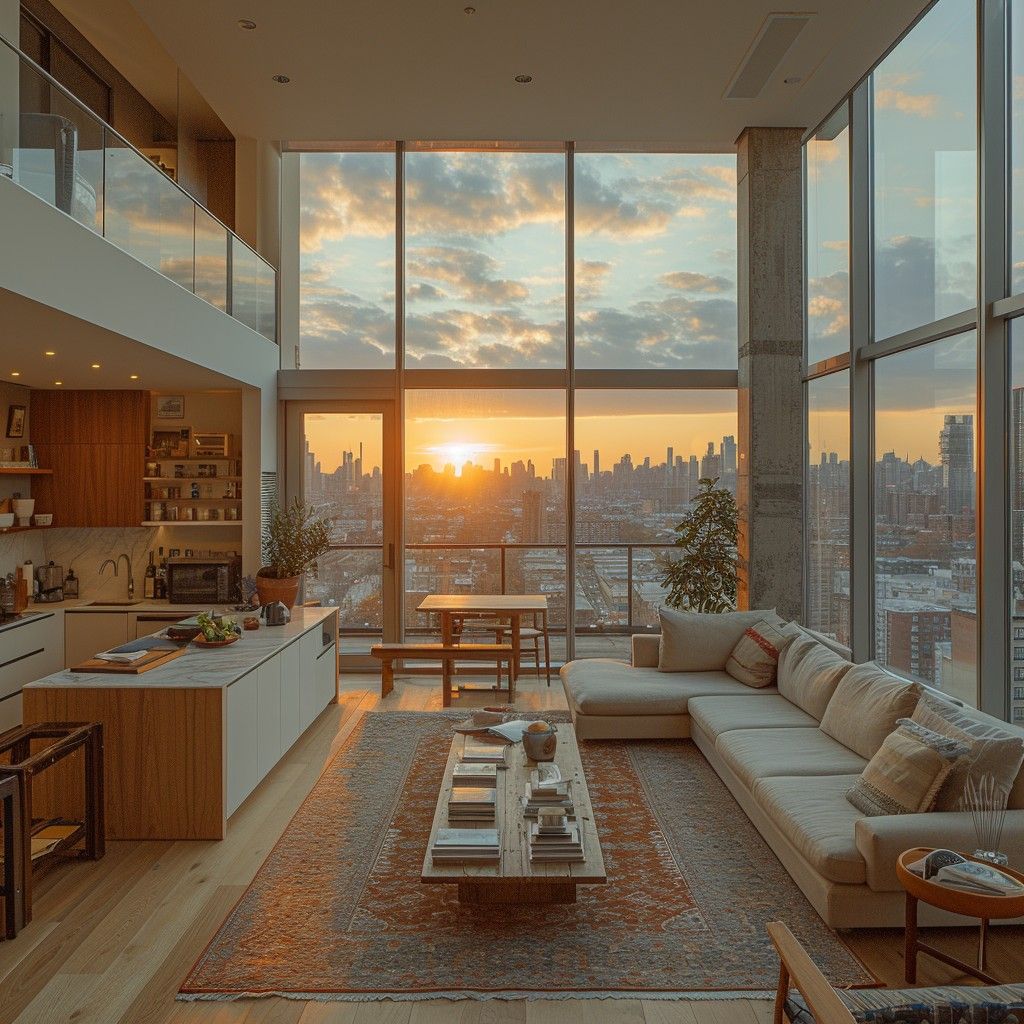
The cultural landscape of Kuala Lumpur is undergoing a silent transformation. While traditional luxury once favored heavy ornamentation and dark woods, a new generation of homeowners is looking toward the Hallyu Wave for architectural inspiration. This movement, often termed “K-lifestyle,” transcends mere entertainment and settles deeply into the domestic sphere. Consequently, the demand for K-drama interior design Malaysia has skyrocketed as residents seek to replicate the soft-focus, high-functioning sanctuaries seen in popular Seoul-based dramas. As detailed by industry analysts at KL Scene, this trend is driven by a desire for “emotional architecture”—spaces that don’t just look expensive but feel restorative.
Furthermore, the shift is not merely about replicating a set; it is about adopting a philosophy of “Beon-out” (burnout) prevention. In the high-octane environment of the Klang Valley, the home must serve as a sensory palate cleanser. Accordingly, homeowners are investing in serene living spaces KL that emphasize light, breathability, and a subtle connection to nature. This editorial explores how the intersection of pop culture and high-end design is redefining the Malaysian home.
The Global Ascent of the K-Drama Aesthetic in Pop Culture
Pop culture serves as the primary catalyst for modern interior trends in Malaysia, where K-dramas provide a visual blueprint for aspirational living that balances futuristic technology with traditional East Asian minimalist sensibilities.
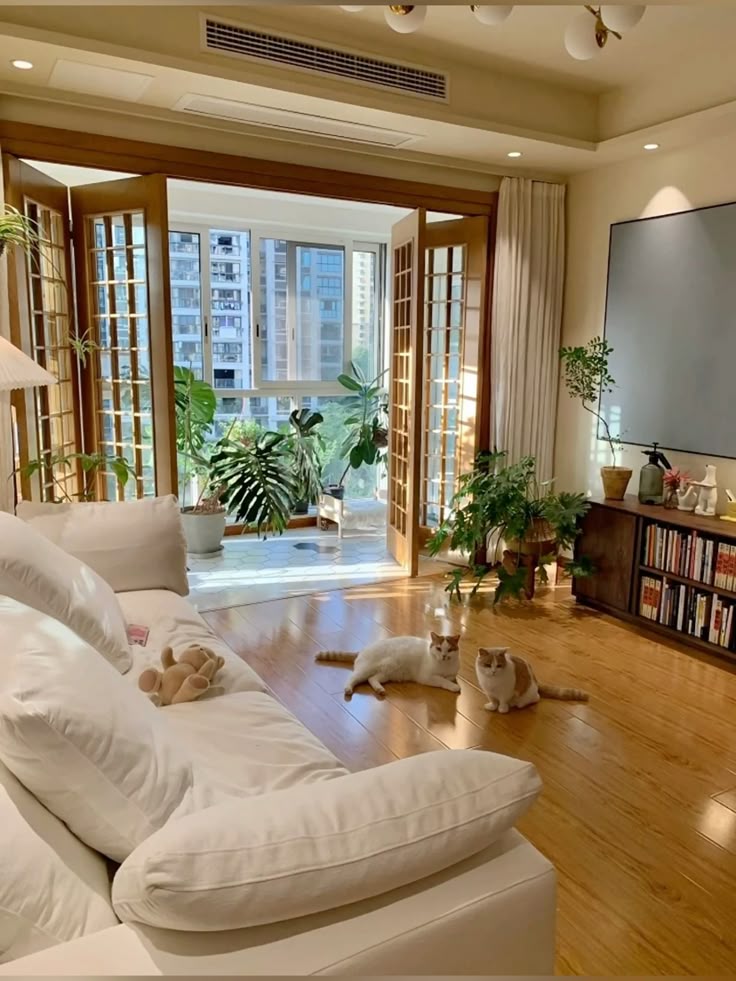
In contrast to Western minimalism, which can sometimes feel clinical, the Korean approach—often seen in the background of popular series—is inherently “lived-in.” It focuses on the “small but certain happiness” (So-hwak-haeng), where every object serves a purpose or sparks joy. This narrative-driven design has captured the Malaysian imagination, leading to a surge in celebrity inspired interiors that prioritize soft curves over sharp edges.
How does pop culture influence Malaysian home design trends?
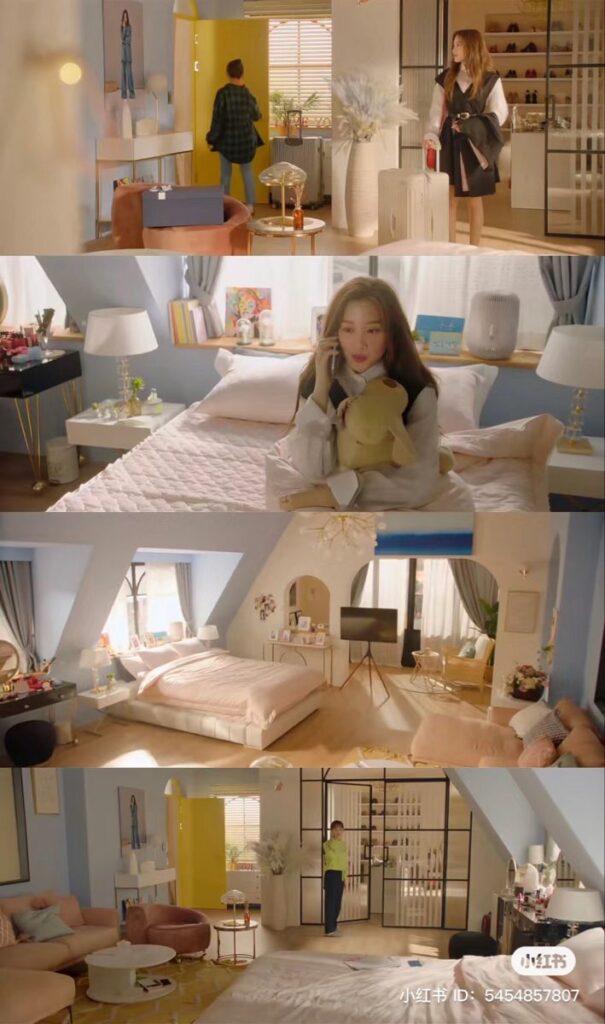
K-dramas and K-pop idol content frequently showcase aspirational living spaces, driving demand among Malaysian Gen Z and Millennials for similar aesthetics. This influence prompts local designers and retailers to adapt and offer products that align with these trending visual narratives. Consequently, the boundary between media consumption and lifestyle choices has blurred, making the “screen-to-room” pipeline a dominant force in the Malaysian renovation market.
Key Elements of K-Drama Interior Design in Malaysia
The core of K-drama home aesthetics lies in a neutral color palette, the strategic use of light wood (Plywood or Ash), and “layered lighting” that creates a soft, hazy ambiance regardless of the time of day.
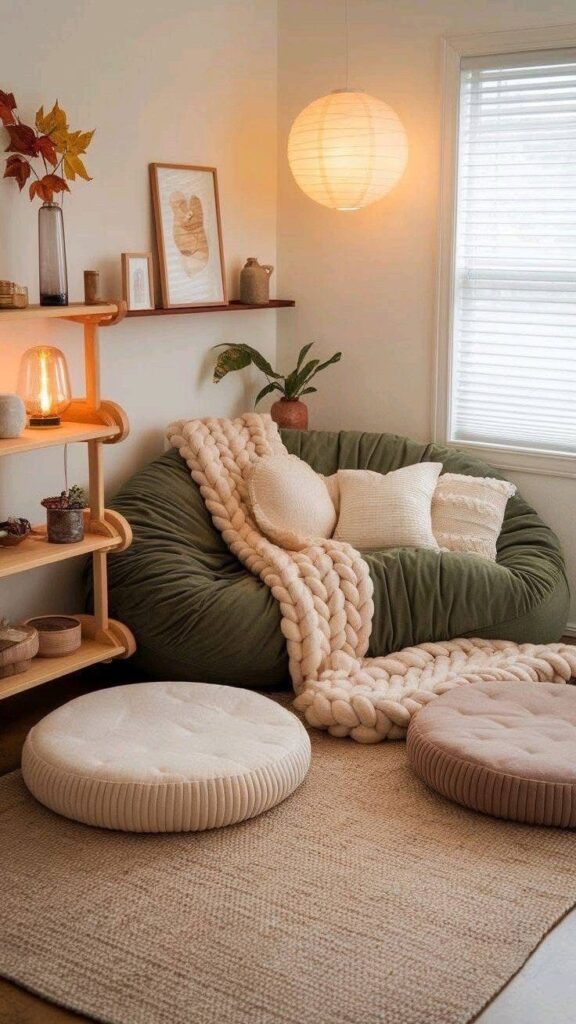
To achieve this look, homeowners are moving away from traditional bulky furniture. Instead, they are opting for minimalist Korean furniture characterized by low heights and slim profiles. This creates an illusion of higher ceilings and more open floor plans, which is particularly beneficial for urban dwellers in Petaling Jaya or KLCC. Specifically, the following elements are essential:
- Muted Color Palettes: Use of “greige,” oatmeal, and soft whites to reflect natural light and create a sense of vastness.
- Natural Materiality: Integration of light-toned woods, rattan, and linen fabrics to bring an organic, tactile quality to the space.
- Zonal Functionality: Creating distinct areas for work, rest, and “me-time” even within open-plan layouts, a hallmark of K-drama interior design Malaysia.
- Soft-Edge Geometry: Preferring rounded coffee tables and curved archways to foster a sense of flow and safety.
What is the minimalist aesthetic common in Korean interiors?
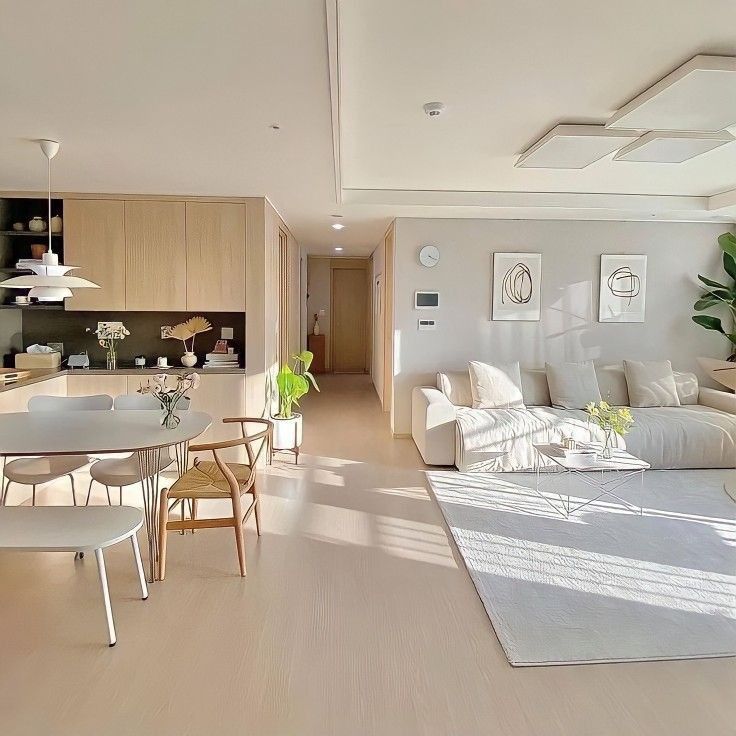
The minimalist aesthetic in Korean interiors emphasizes clean lines, uncluttered spaces, and natural materials like light wood and linen. It prioritizes comfort and functionality, creating a serene, inviting atmosphere. This approach, often found in K-drama interior design Malaysia, avoids the coldness of traditional minimalism by incorporating personal touches and warm, indirect lighting to ensure the space remains “homey” rather than just a showpiece.
Regional-to-Local Flow: From Seoul to the Klang Valley
The migration of East Asian design trends into Malaysia is a result of “SEAbling” cultural proximity, where shared values of multi-generational living and tropical-urban challenges make Korean solutions highly applicable to the local context.
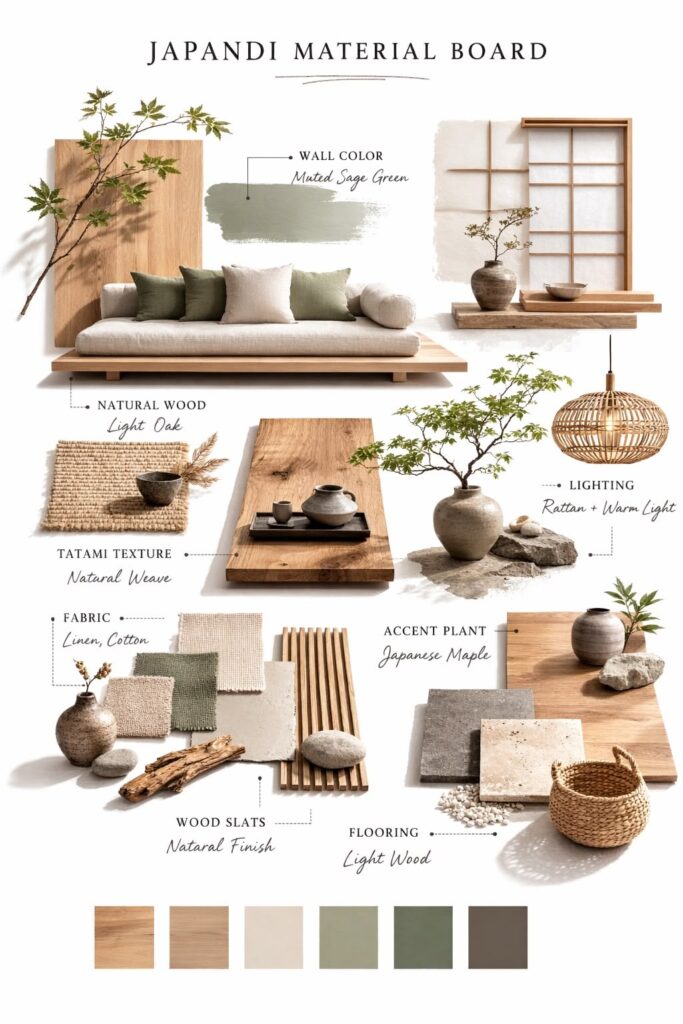
While the “K-style” is the current frontrunner, it often blends with Japanese “Japandi” and Chinese “Zen” influences to create a localized Southeast Asian hybrid. Malaysians are particularly adept at taking the comfort core design seen in Korean media and adapting it for the tropical heat. For instance, while a Seoul apartment might use heavy wool rugs, a KL home will swap these for breathable jute or low-pile synthetic blends that offer the same visual warmth without trapping heat.
Moreover, the availability of specialized goods has changed. Previously, sourcing these items required expensive shipping. Today, the local retail ecosystem has pivoted to meet the demand for minimalist Korean furniture.
Are Korean home brands available in Malaysia?
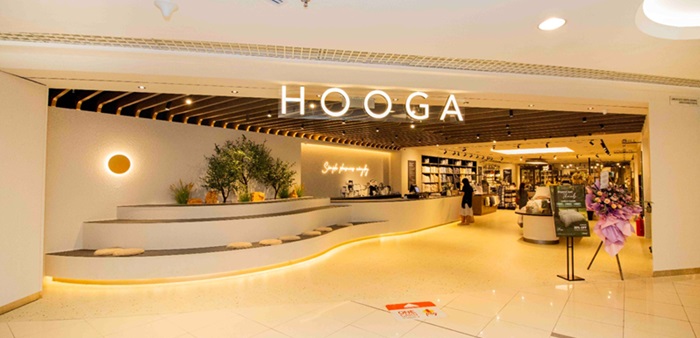
While direct flagship stores for major Korean home brands like Hanssem or Lotte Furniture may be limited in Malaysia, many international retailers and local multi-brand stores carry items that align with the Korean aesthetic. Furthermore, online platforms provide wider access to K-drama home aesthetics. Local bespoke carpenters have also begun specializing in “K-style” custom cabinetry to satisfy the specific functional requirements of Malaysian homeowners.
Curating the Look: Celebrity Inspired Interiors and Comfort Core
Creating a comfort core design involves shifting the focus from “hosting” to “homing,” where the primary objective of the interior is to support the mental well-being of the inhabitants through sensory-driven decor.
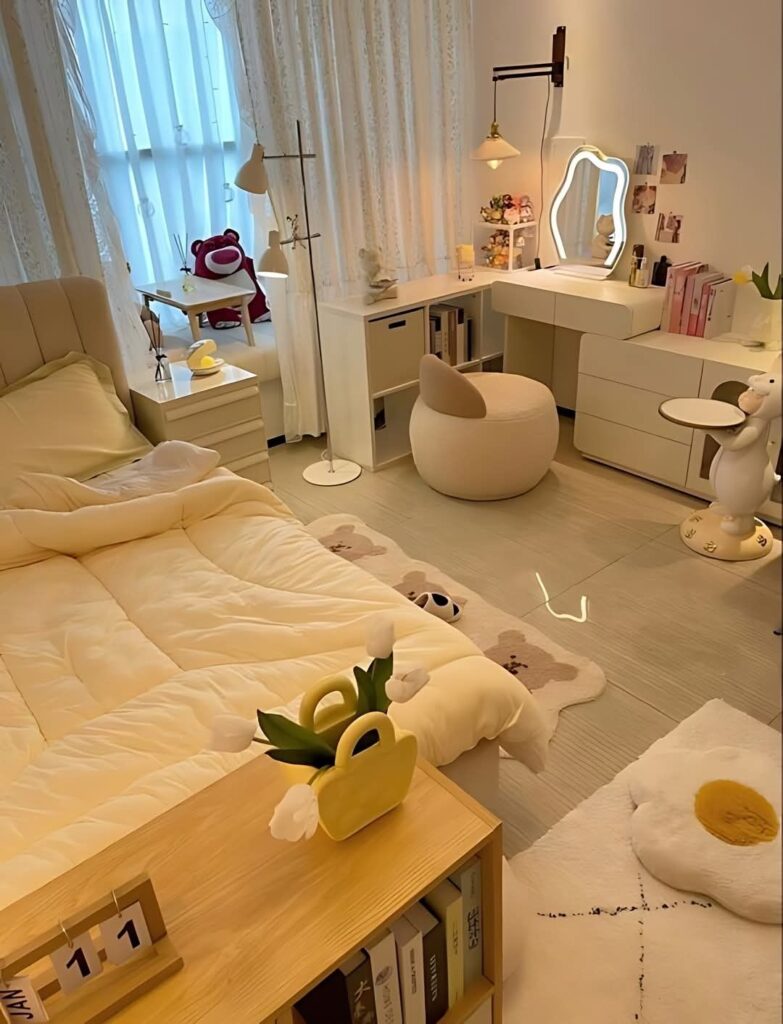
The “Celebrity Inspired” aspect of this trend often comes from reality shows like *I Live Alone*, which showcase the private sanctuaries of K-pop stars. These spaces are characterized by their “curated clutter”—a deliberate placement of books, plants, and art that makes the home feel lived-in yet impeccably styled. Consequently, Malaysians are moving away from “matching sets” and toward eclectic, high-quality pieces that tell a story.
How do I make my home look like a K-drama set in Malaysia?
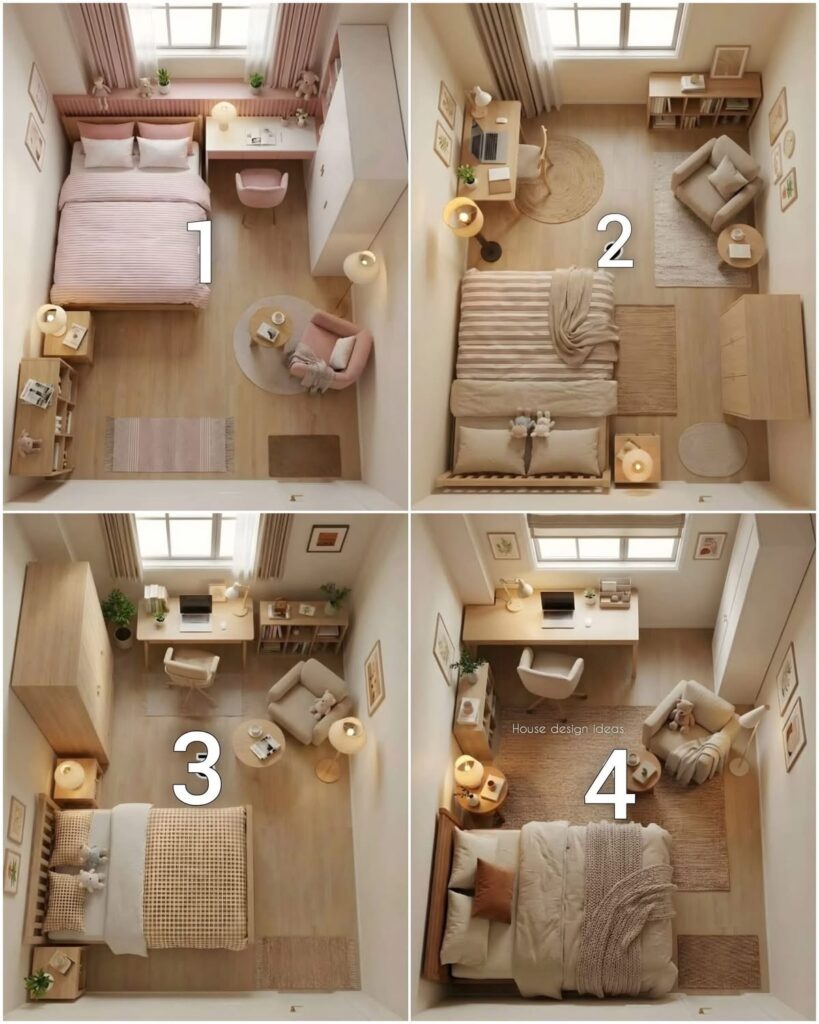
To achieve a K-drama interior design Malaysia look, focus on minimalist furniture, muted colours (greys, whites, light wood), and natural light. Prioritize functionality and create distinct zones for relaxation and work. Additionally, strategically placed plants and indirect lighting (floor lamps and LED strips) are essential. By focusing on “low-profile” furniture and “airy” layouts, you can recreate the serene atmosphere typical of high-end Korean domestic spaces.
Where can I find K-style home decor in Kuala Lumpur?
Look for local design boutiques specializing in Scandinavian or Japanese minimalist aesthetics, as these often overlap with K-drama interior design Malaysia. Premium furniture stores in areas like Bangsar, custom carpentry workshops, and online marketplaces like Lazada and Shopee also offer options. For a truly bespoke look, many savvy KL homeowners engage interior designers who specialize in the “soft-minimalism” movement, ensuring high-quality materials and authentic finishes.
The Malaysia Perspective: Adapting for Serene Living Spaces
In the Malaysian context, the Korean aesthetic must be balanced with tropical realities, leading to the rise of “Tropical K-Style” which utilizes high-performance ventilation alongside minimalist beauty.
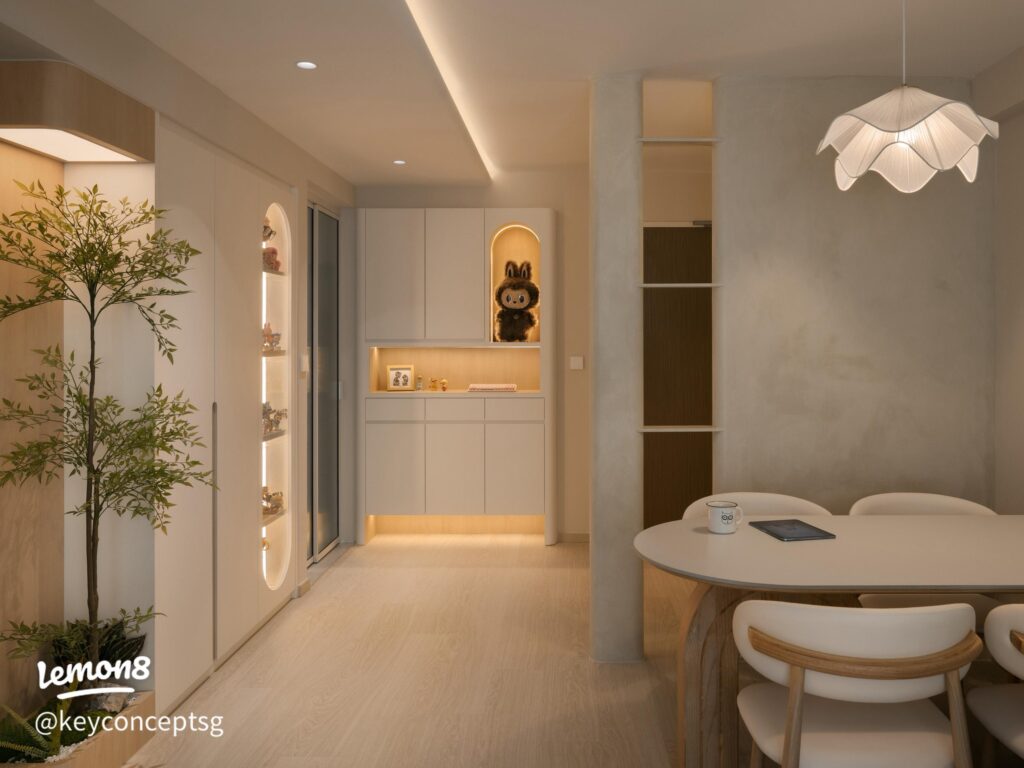
The challenge of serene living spaces KL often involves managing the harsh afternoon sun while maintaining the bright, airy feel of a K-drama set. As a result, Malaysian homeowners are utilizing sheer linen curtains that diffuse light without blocking it entirely. Similarly, the choice of indoor plants is crucial. While a Korean apartment might feature temperate greenery, Malaysian homes are opting for the “Monstera” or “Snake Plant,” which offer the same architectural silhouette but thrive in the local humidity.
- Smart Home Integration: Hidden tech that mirrors the high-tech apartments of Seoul’s Gangnam district, such as invisible speakers and automated blinds.
- Tactile Comfort: Substituting heavy carpets for high-quality vinyl or engineered wood that remains cool underfoot.
- Greenery as Decor: Using oversized indoor plants to bridge the gap between the urban interior and the lush Malaysian landscape.
Actionable Strategies: Crafting Your Own K-Style Sanctuary
Transforming your home into a K-drama-inspired sanctuary requires a “subtraction-first” mindset, followed by the strategic addition of high-quality, minimalist Korean furniture and lighting.
Begin by decluttering surfaces to allow the architecture of the room to breathe. In contrast to the “maximalist” trends of the past, K-drama interior design Malaysia relies on negative space. Furthermore, invest in “layered lighting.” Instead of using a single harsh overhead light, use three to four points of light (a floor lamp, a table lamp, and perhaps a spotlight on a plant) to create depth and warmth. Finally, prioritize quality over quantity; a single, well-crafted oak table is more effective than several cheaper pieces in establishing the desired aesthetic.
Conclusion: The Future of Malaysian Living
The rise of K-drama interior design Malaysia is more than a fleeting trend; it is a profound evolution in how we perceive the “luxury” of the domestic space, shifting from outward displays of wealth to inward-facing sanctuaries of peace. As the lines between regional cultures continue to blur, the Malaysian home will increasingly become a hybrid of global inspiration and local necessity. By embracing the principles of soft minimalism and comfort core design, KL’s homeowners are not just building houses—they are crafting the sets for their own life’s stories, one serene corner at a time.