





Fungal Acne in Malaysia: Why Your Skin Won’t Clear Up
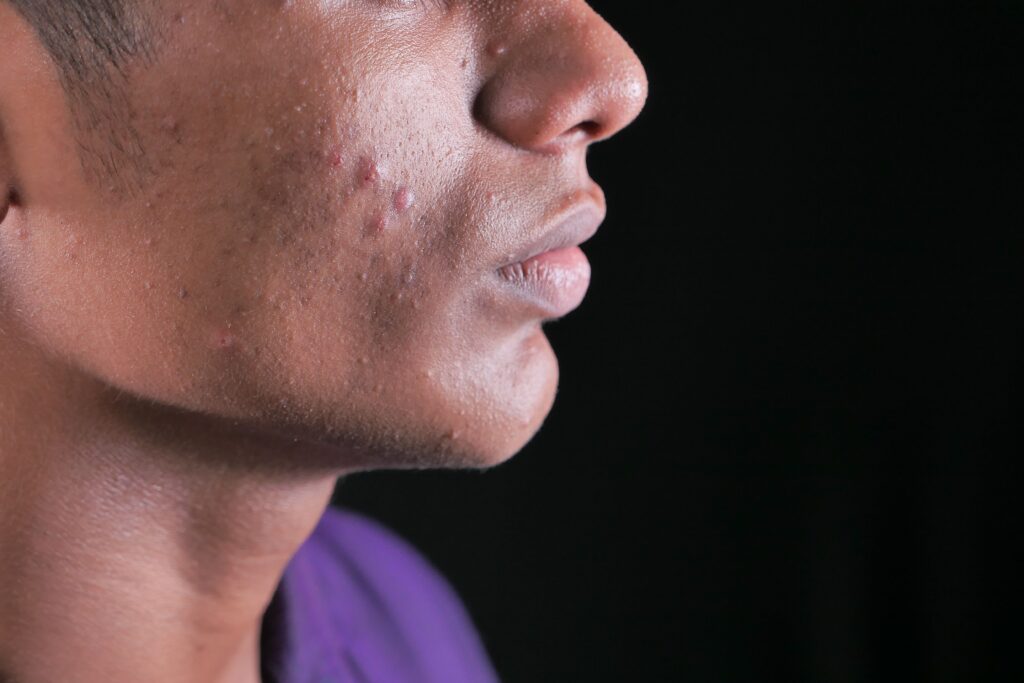
You’ve done everything right. The serums are right. The routine is disciplined. You’re using the niacinamide, the salicylic acid, the retinol — all the ingredients that supposedly work. And yet your forehead remains a stubborn landscape of tiny, uniform bumps. Your chest is itchy. The back of your neck won’t quit. And nothing, absolutely nothing, shifts it.
Here’s the thing: you might not have bacterial acne at all. You might have fungal acne — a condition so commonly misdiagnosed in Malaysia that dermatologists are quietly seeing a surge in patients who’ve wasted months (and ringgit) on the wrong treatment entirely. And the worst part? Your current skincare routine is probably making it worse.
Fungal acne, clinically known as Malassezia folliculitis, thrives in exactly the conditions Malaysia offers year-round: heat, humidity, sweat, and oil. Unlike bacterial acne, it doesn’t respond to salicylic acid or benzoyl peroxide. In fact, many of the emollients and oils in “hydrating” skincare — the very ingredients praised in beauty spaces globally — actively feed the yeast that’s causing your breakouts. The result is a maddening loop: you treat what you think is acne, your skin gets worse, you buy more products, and the fungus wins.
This is the misdiagnosis spiral. And it’s endemic to tropical skincare in Malaysia.
How to Tell If It’s Fungal Acne vs. Bacterial Acne in Malaysia
The verdict: Fungal acne shows up as uniform, itchy bumps unresponsive to standard acne treatments; bacterial acne varies in size and responds to salicylic acid.
Fungal acne presents as clusters of small, monomorphic (all the same size) bumps — think a rash rather than spots. They’re often itchy or slightly tender, concentrated on the forehead, chest, shoulders, or upper back, and stubbornly unresponsive to any product you throw at them. Bacterial acne, by contrast, shows comedones (blackheads and whiteheads), varied bump sizes, occasional pustules, and — crucially — visible improvement within weeks of using salicylic acid or benzoyl peroxide. In Malaysia’s humid climate, where both conditions can coexist, the distinction matters everything.
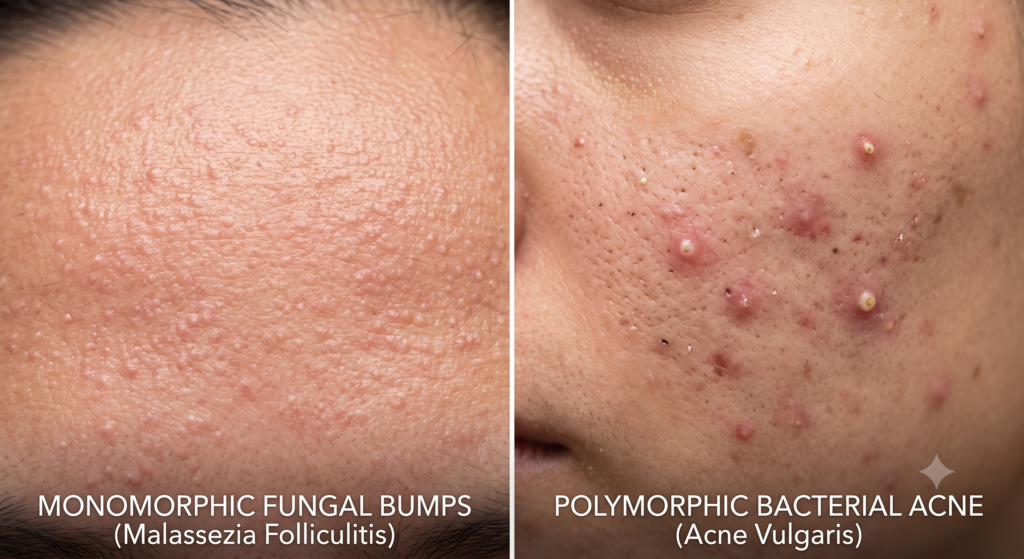
Why the distinction matters here: Malaysia’s perpetual heat and humidity mean that if you’re cycling through antibacterial actives without success, fungal acne is the likely culprit — and misidentifying it costs you weeks of wasted routines and flared skin.
The diagnostic tell: Apply a standard acne treatment (2% salicylic acid toner) to a small patch for two weeks. If it improves bacterial acne slightly but the fungal bumps remain untouched or worsen, you have confirmation. Fungal acne won’t budge until you switch to antifungal actives like ketoconazole or zinc pyrithione.
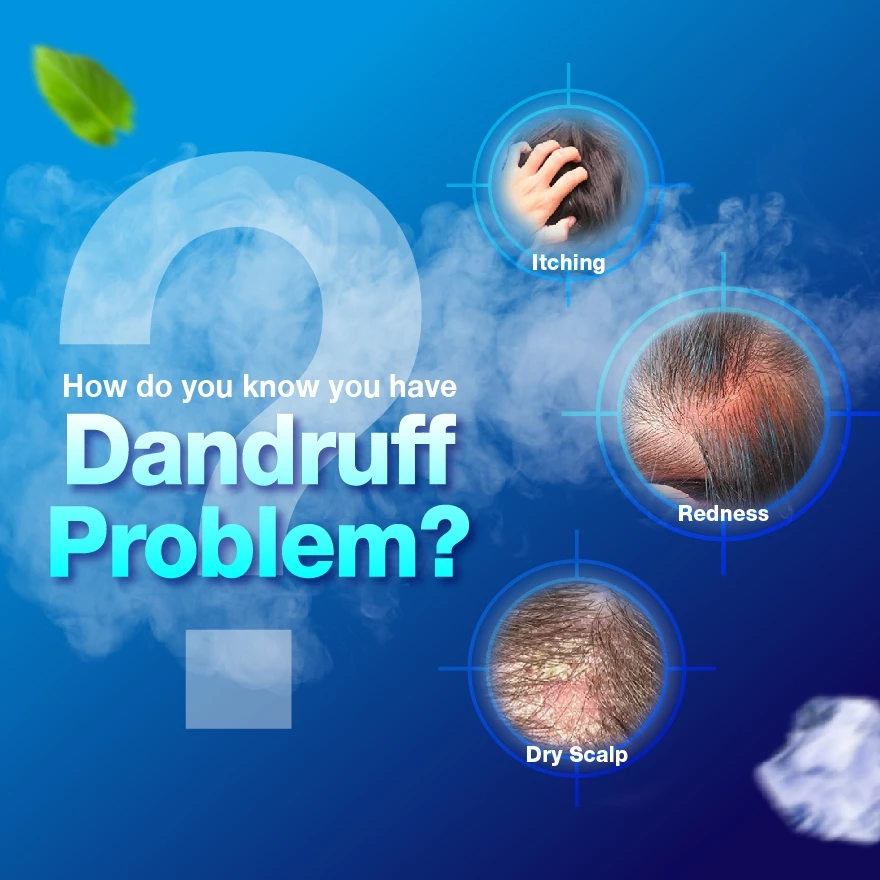
The itchiness factor: Bacterial acne rarely itches; fungal acne does. If you’re scratching more than usual, that’s a red flag pointing toward Malassezia folliculitis, not standard pimples.
Why Does Malassezia Thrive in Malaysia’s Climate Specifically?
The verdict: Humidity acts as a greenhouse for Malassezia, turning natural skin yeast into a breakout-inducing overgrowth that feeds on your sweat and skincare oils.
Malassezia yeast is a natural part of your skin’s microbiome — it’s present on everyone. But it becomes problematic when the Malaysian climate turns your face into a petri dish. With humidity levels often hitting 80% and above, your skin is perpetually damp, providing the exact moisture-rich environment yeast needs to multiply uncontrollably. Unlike bacteria, which are opportunistic, Malassezia is particularly greedy for the lipids found in your natural sebum and your favorite “glowy” face oils.
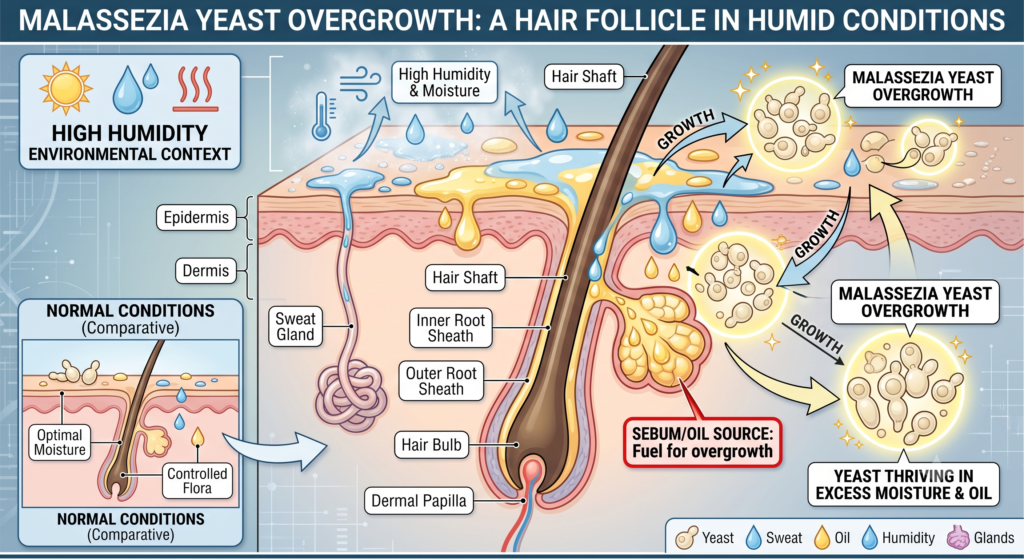
The sweat trap: That midday walk to the LRT or your lunch break in a non-AC food court is more than just uncomfortable. Sweat trapped under clothing or heavy foundation creates a “greenhouse effect” that fuels Malassezia growth on the chest and back.
The “feeding” factor: Many popular Malaysian skincare trends, like the “slugging” or “glass skin” routines, involve heavy oils and esters. If you have a Malassezia overgrowth, these products are literally food for the fungus, causing those tiny forehead bumps to explode overnight.
The occlusion issue: In our tropical heat, wearing occlusive sunscreens or thick silicones can trap heat against the skin. This elevation in skin temperature further accelerates yeast activity, making your commute a literal breeding ground for inflammation.
Where to Shop the Fungal-Safe Routine in Malaysia
The verdict: Switching to a fungal acne safe products in Malaysia is non-negotiable; even one “wrong” ingredient can trigger a fresh flare-up in the tropical heat.
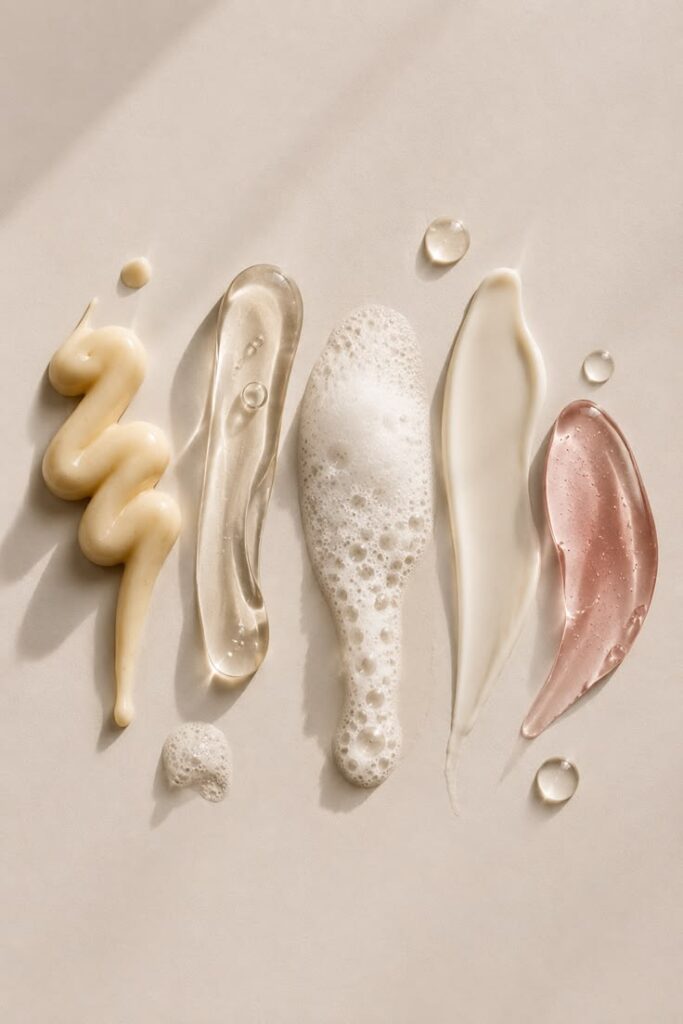
Finding a fungal acne treatment in Malaysia’s humid climate requires a ruthless audit of your ingredient list to ensure you aren’t feeding the fire. You need to strip back any fermented ingredients, fatty acids, and oils that the Malassezia yeast thrives on. Focus on water-based hydration and targeted antifungal washes that you can easily grab from your local Watsons or Guardian without blowing your monthly budget on international shipping.
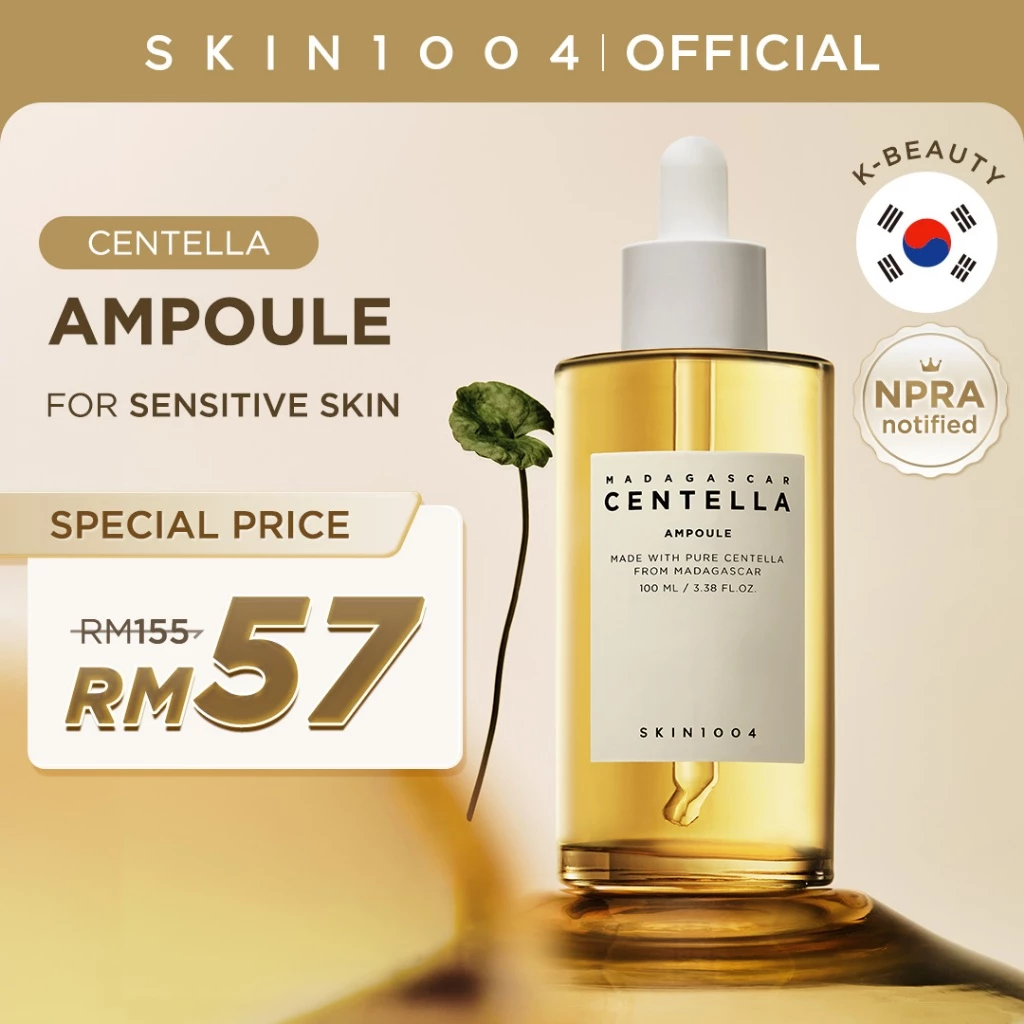
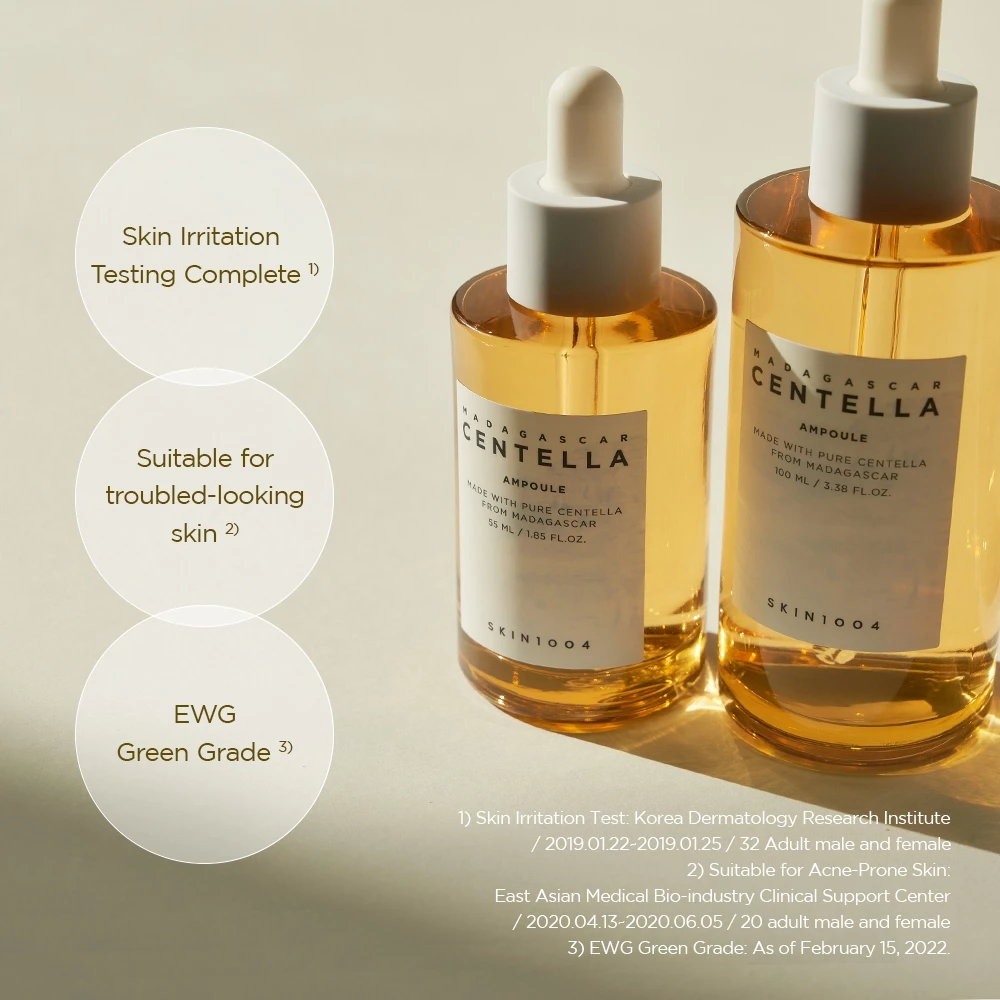
1. Skin1004 Madagascar Centella Ampoule
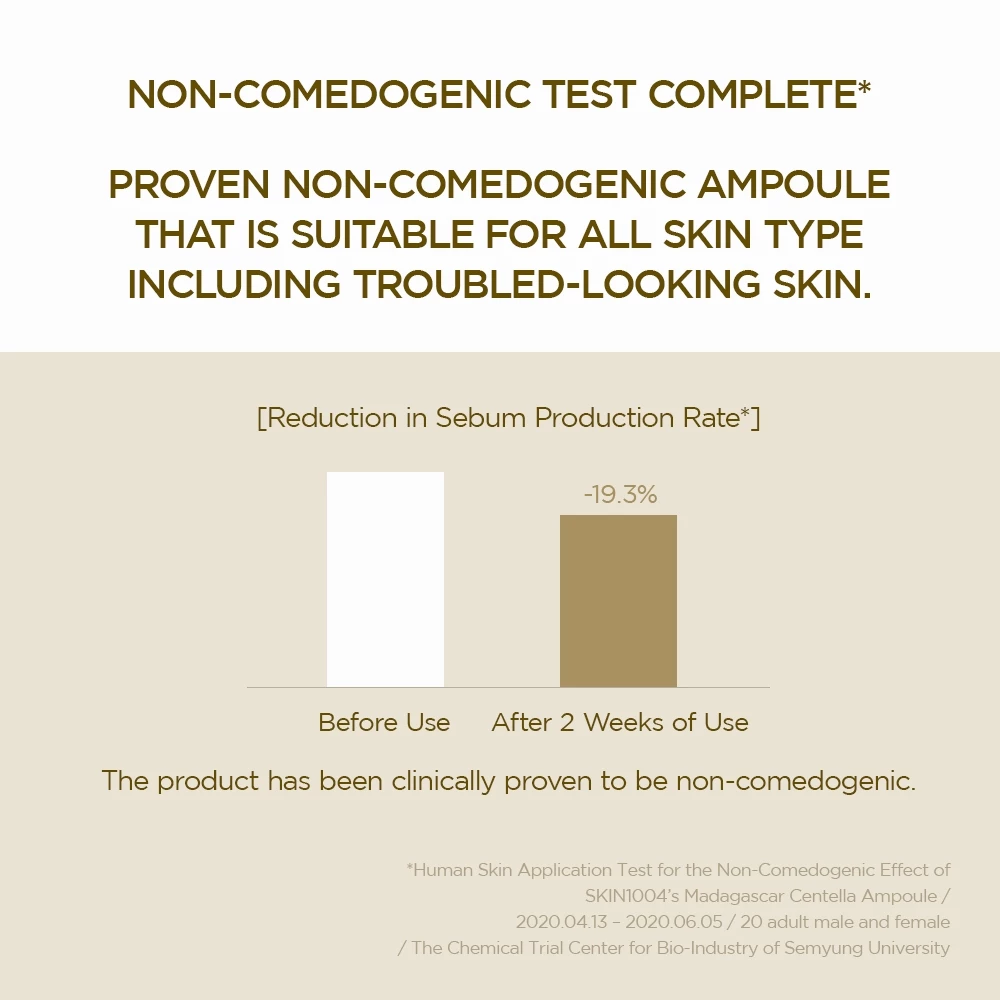
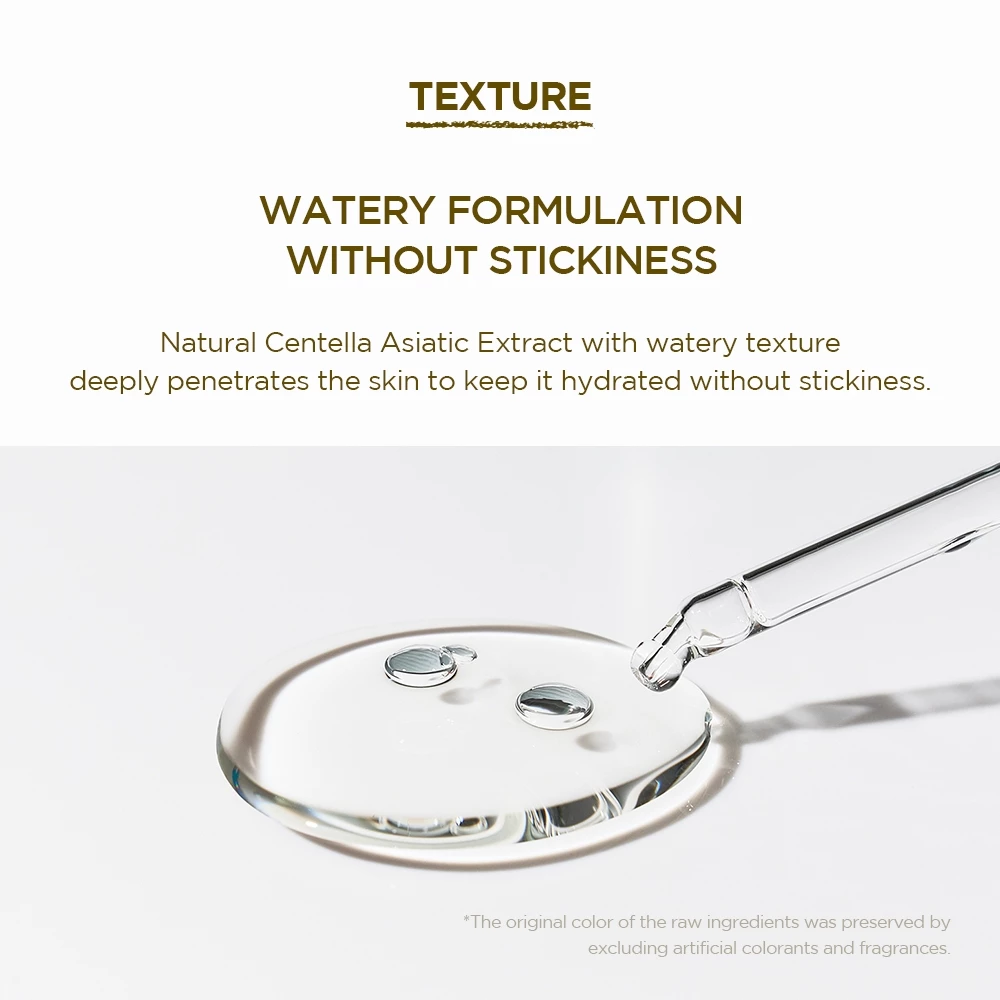
A 100% Centella Asiatica water-based serum that calms the “itchy” inflammation of fungal acne without any yeast-feeding additives.
The ultimate soothing layer for irritated, humid-weather skin → Madagascar Centella Ampoule by Skin1004
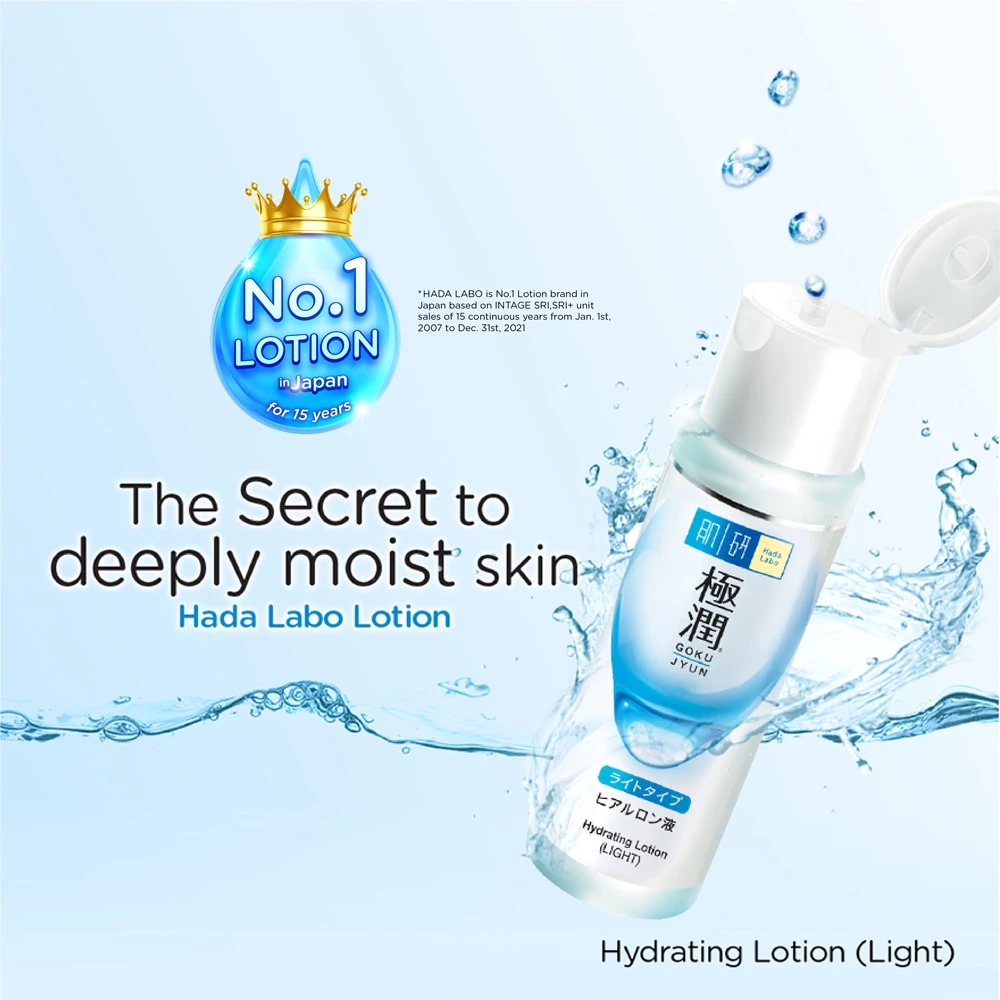
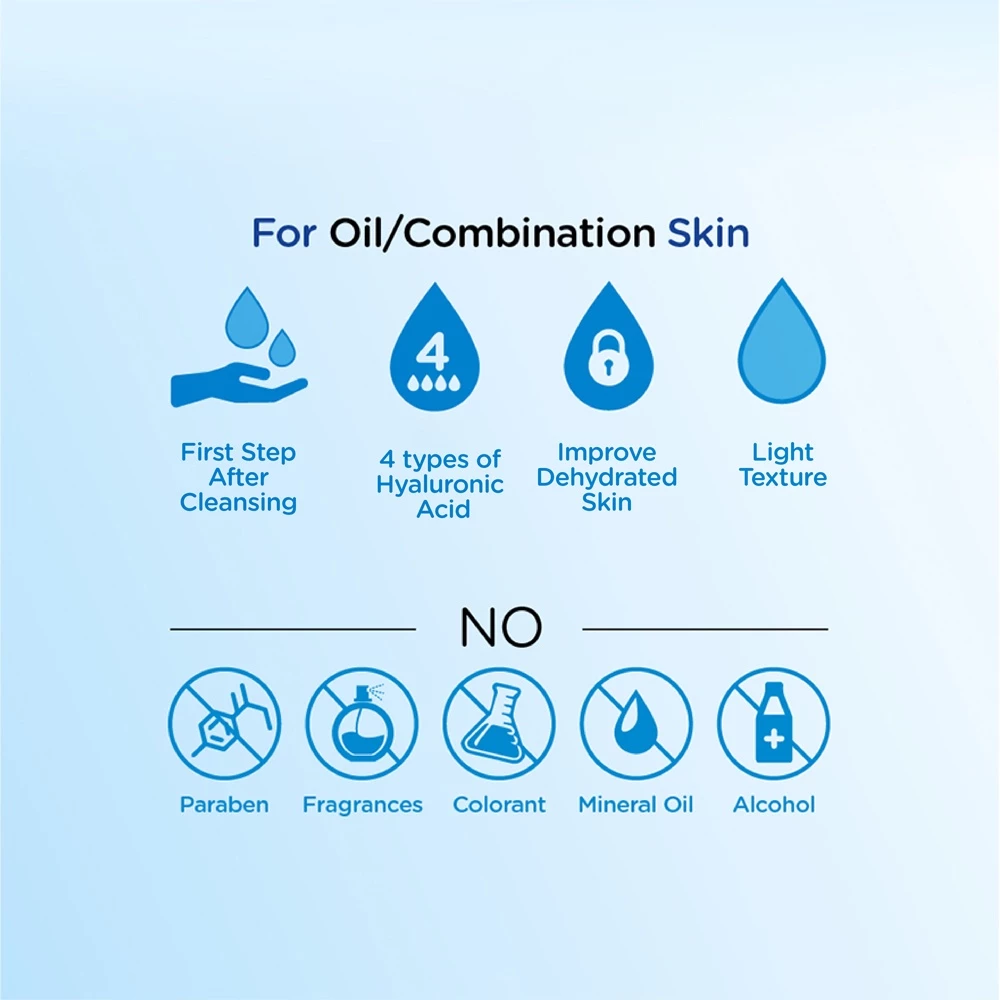
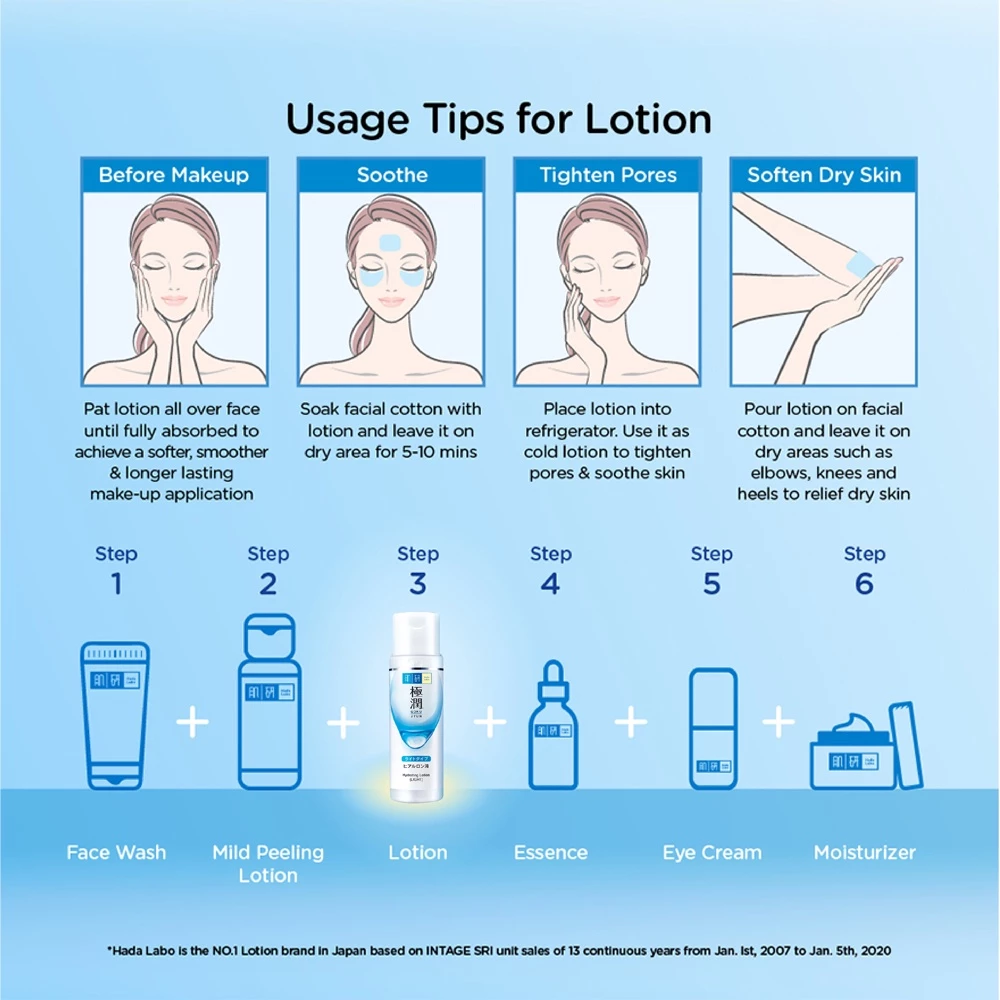
2. Hada Labo Hydrating Lotion (Light)
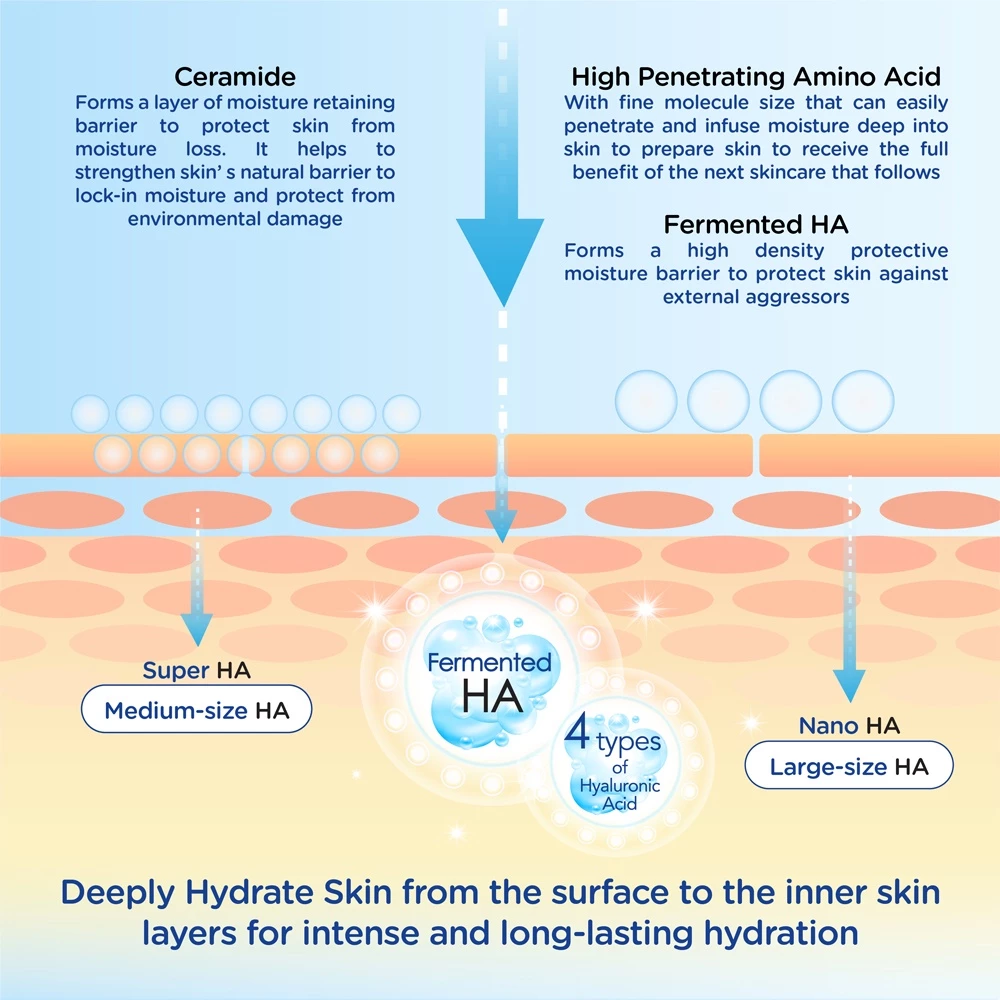
A cult-favorite hydrator that provides deep moisture through hyaluronic acid while remaining completely free of oils and esters.
Shop the local Watsons favorite that gives you the glow without the bumps → Hydrating Lotion Light by Hada Labo
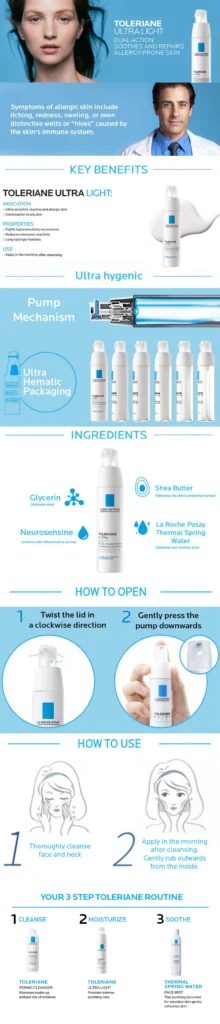
3. La Roche-Posay Toleriane Sensitive Fluide
A high-end, minimalist moisturizer specifically formulated with very few ingredients to guarantee it won’t trigger Malassezia folliculitis.
Invest in the only moisturizer that survives a sweaty PJ humidity spike → Toleriane Sensitive Fluide by La Roche-Posay
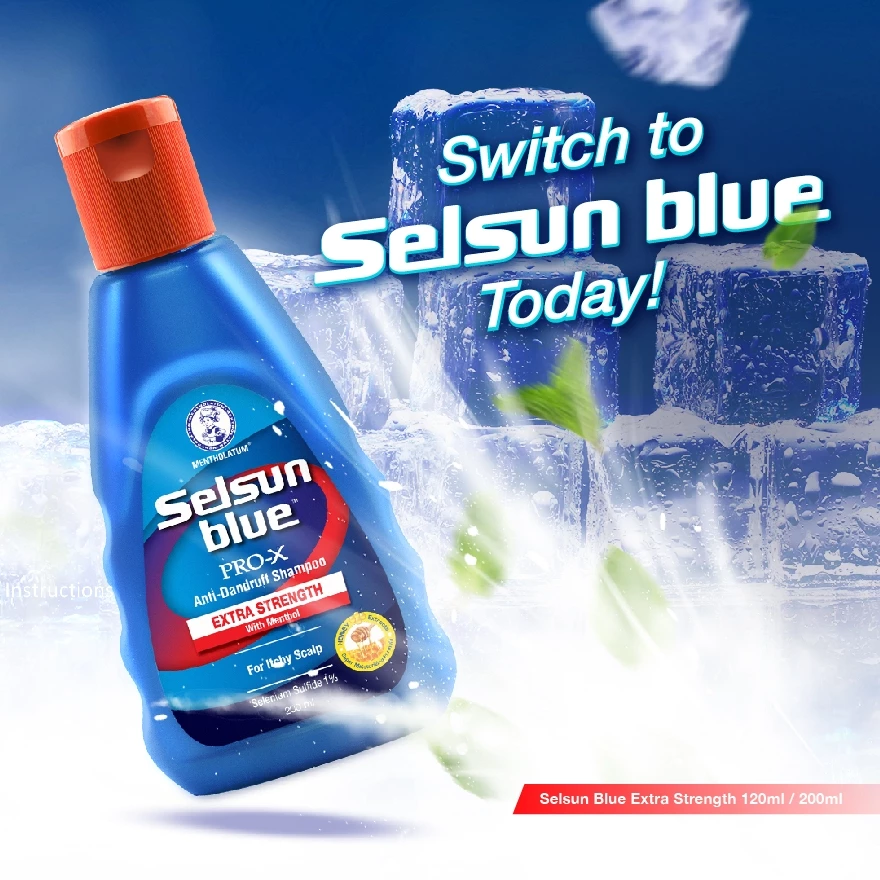
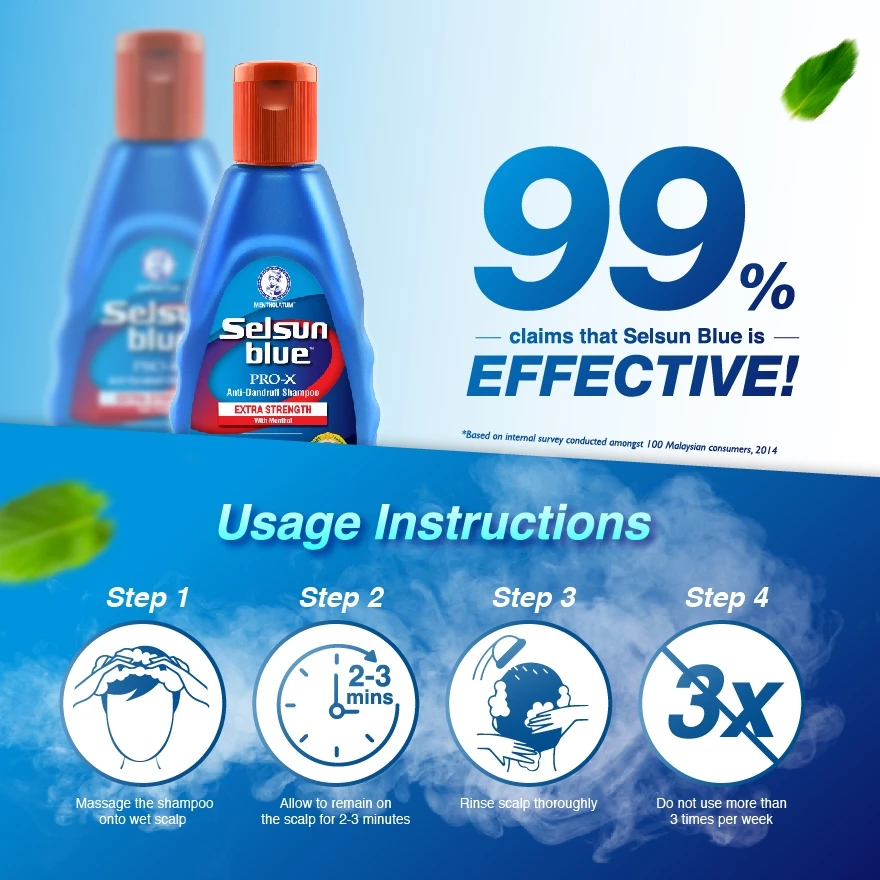
4. Selsun Blue shampoo Extra Strength Anti-Dandruff Shampoo
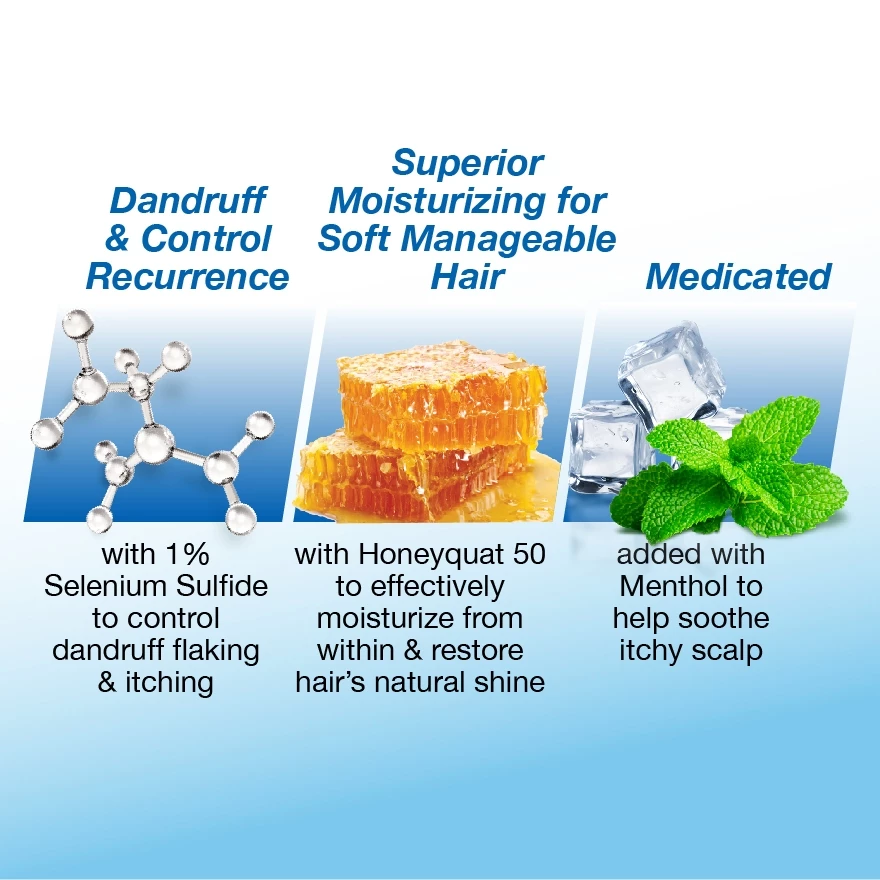
The Extra Strength version is formulated with 2.5% selenium sulfide to relieve flakes and itchiness, which is a meaningfully higher dose than the regular Selsun Blue formulas — most standard Selsun Blue variants (Medicated, Max Strength) only carry 1% selenium sulfide. Selenium sulfide works differently from ketoconazole (it’s not an azole antifungal), but it’s still effective against Malassezia and is indicated for dandruff, seborrhea, and tinea versicolor — the same yeast-driven conditions Nizoral targets.
Grab this pharmacy staple to clear stubborn texture in under two weeks → Selsun Blue shampoo Extra Strength Anti-Dandruff Shampoo
Conclusion
The verdict: Clearing fungal acne in the tropics is a marathon of consistency, requiring a shift from “anti-acne” acids to yeast-inhibiting maintenance.
It takes roughly three to four weeks to see the texture of your skin flatten once you’ve removed triggers and introduced an antifungal routine. In Malaysia, where sweat and humidity are daily realities, your goal isn’t just a temporary fix, but a long-term management strategy that keeps your microbiome in check. Stop fighting your skin with the wrong tools; once you stop feeding the fungus, the clear skin you’ve been chasing finally has a chance to surface.
The bottom line for Malaysia: Don’t let a “holy grail” product from a cold climate ruin your progress — if it’s oily and it’s humid out, your skin will pay the price in bumps. Stick to the science of Malassezia-safe routines and keep your ringgit for the products that actually work in 32-degree heat.